
Young Driver Car Insurance Costs — Hawaii
Free to compare
Adding a Young Driver to Your Hawaii Policy
Your teenager just earned their license or your young adult moved home with a car, and you need to add them to your Hawaii auto policy. The state requires every driver carry $40,000 per person and $80,000 per accident in bodily injury liability, $20,000 in property damage, and personal injury protection. The question is whether your current policy structure covers both drivers adequately or whether the household needs separate policies.
Hawaii's graduated licensing program requires teens hold a learner permit for six months starting at age 15.5, complete 50 hours of supervised driving, and follow night and passenger restrictions until age 17. Most families add the teen to an existing policy during the intermediate phase at 16, which re-rates the entire policy based on the new driver's age and experience. The coverage decision you make now determines whether both drivers have sufficient protection and whether you're paying for redundant coverage across multiple vehicles.
“Adding a young driver re-rates your entire policy, not just the premium for one vehicle.”
Check Your Rate Against Other Hawaii Drivers
Get My Hawaii Car Insurance Quote9.6%
Hawaii Uninsured Motorists
Nearly one in ten Hawaii drivers operates without insurance. When a young driver shares the road with this proportion of uninsured motorists, uninsured-motorist coverage becomes a structural decision rather than an optional add-on.
Insurance Research Council, 2023
How Hawaii's PIP Requirement Shapes Young-Driver Coverage
Hawaii mandates personal injury protection on every auto policy. PIP covers medical expenses, lost income, and essential services for you and your passengers regardless of fault. When you add a young driver to your policy, that driver receives the same PIP coverage you carry. The structural reality: PIP applies per person injured, not per vehicle, so a household with multiple drivers on one policy does not need separate PIP limits for each car.
The confusion arises when families assume each vehicle needs its own PIP election. A teen driving the family sedan and a parent driving the SUV both draw from the same policy's PIP coverage when injured. Stacking separate policies with duplicate PIP elections costs more without increasing protection. One policy covering all household vehicles and drivers provides the required PIP coverage for everyone.
Uninsured-motorist coverage works differently. Hawaii does not mandate UM coverage, but with 9.6% of drivers uninsured, many households elect it. UM coverage protects you when an at-fault driver has no insurance. When a young driver with limited experience shares the road with nearly one in ten uninsured motorists, the decision to add UM coverage shifts from optional to structural. One policy with UM coverage protects every driver and vehicle listed on that policy.

Adding a young driver re-rates your entire policy, not just the premium for one vehicle. The household's combined driving history, vehicle count, and coverage elections determine the new rate.

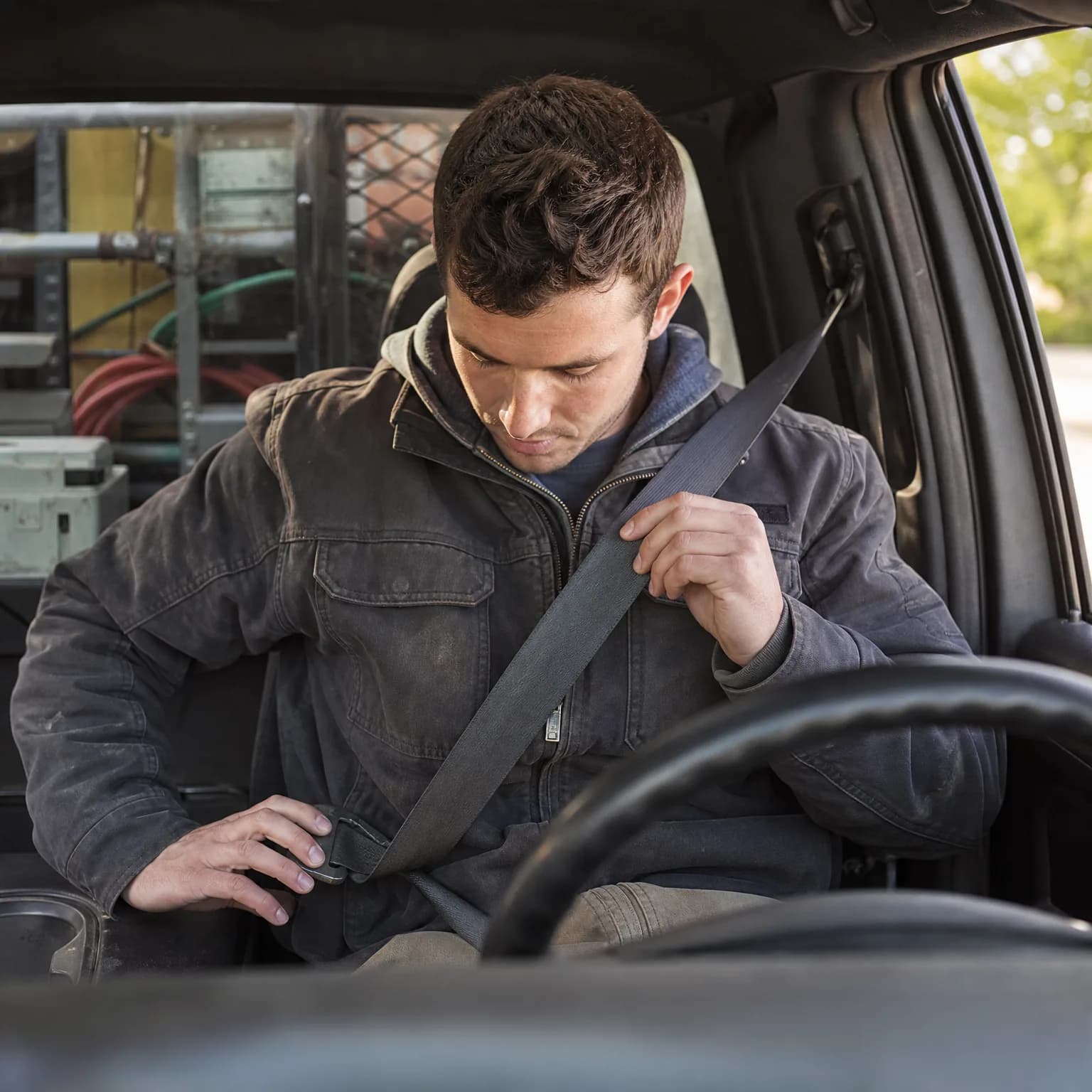
Coverage Decisions That Protect Both Drivers
Hawaii's $40,000 per person bodily injury minimum covers medical expenses for one injured person in an at-fault accident. A serious collision involving multiple injuries can exhaust that limit quickly. When a young driver with limited experience operates a vehicle, the household's liability exposure increases.
Collision and comprehensive coverage on the young driver's vehicle depend on the car's value and the household's ability to replace it out of pocket. A financed or leased vehicle requires both coverages. An older paid-off car with a value under $3,000 may not justify collision coverage, since a total-loss payout minus the deductible often returns less than the coverage costs over two years. Comprehensive coverage for theft and weather damage remains inexpensive even on older vehicles and makes sense in Hawaii, where the motor vehicle theft rate reached 383.3 per 100,000 population in 2024.
The coverage gap most families miss: uninsured-motorist coverage with limits matching the liability limits. If an uninsured driver injures your teen, UM coverage pays medical expenses and lost income up to the policy limit. Electing UM coverage at the same limits as your liability coverage closes the gap Hawaii's optional-UM structure creates. One policy with adequate liability and UM limits protects every household driver, whether the at-fault party carries insurance or not.
50 hours
Hawaii Supervised Driving Requirement
Teens must complete 50 hours of supervised driving before earning an intermediate license at 16. Families adding a young driver mid-permit can use this window to compare carriers and adjust coverage before the teen drives independently.
Hawaii Revised Statutes, Graduated Driver Licensing

When to Add the Young Driver and What Happens Next
Add the young driver to your policy the day they receive their intermediate license at age 16. Most carriers provide a grace period for newly-licensed household members, but that window varies by carrier and does not extend indefinitely. Failing to report a licensed household driver voids coverage if that driver has an accident while unreported. Contact your carrier before the license date, confirm the addition, and request the updated premium and coverage summary in writing.
The carrier re-rates the policy when you add the young driver. Expect the premium to increase. The amount depends on the teen's age, the vehicle they will drive most often, your household's current driving record, and the coverage limits you elect. Carriers writing young drivers in Hawaii include Geico, Progressive, State Farm, Farmers, Allstate, and USAA. Request quotes from at least three carriers, confirm each quote includes the same liability and UM limits, and compare the annual cost with the multi-car discount applied.
Compare Carriers That Write Young Drivers in Hawaii
Twelve carriers write auto insurance in Hawaii with confirmed availability for young-driver households: Allstate, Amica, Auto Club Enterprises, Farmers, Geico, Hartford, Liberty Mutual, National General, Progressive, State Farm, Travelers, and USAA. Not every carrier offers the same multi-car discount structure or the same appetite for young drivers. State Farm and USAA write preferred-tier policies with competitive multi-car discounts. Geico, Progressive, and Farmers write standard-tier policies with broad young-driver acceptance. National General writes non-standard and high-risk drivers when other carriers decline.
Request quotes that include every household driver, every vehicle, and identical liability and UM limits across carriers. The lowest per-vehicle rate means nothing if the combined household premium costs more. A smaller discount on a lower base rate often beats a larger discount on a higher one. Compare the total annual premium after the multi-car discount, confirm the policy includes the required PIP coverage, and verify the young driver appears on the declarations page before binding. The comparison tool on this site connects you with carriers writing young-driver policies in Hawaii and structures quotes around your household's actual vehicle count and driver roster.
One Policy or Two: The Household Structure Decision
Most Hawaii households save by keeping all drivers and vehicles on one policy. The multi-car discount applies when every vehicle sits on the same policy, typically reducing the per-vehicle premium. A teen added to a two-car household policy triggers a rate increase, but the combined premium with the multi-car discount applied usually costs less than maintaining two separate policies. Carriers writing in Hawaii that offer multi-car discounts include State Farm, Geico, Progressive, Farmers, and Allstate.
A separate policy for the young driver makes sense only in narrow circumstances: the teen owns a vehicle titled in their name and lives at a different address, or the household includes a high-risk driver whose violations would inflate the family policy more than the cost of separation. For most families, one policy covering all household drivers and vehicles delivers the required coverage at the lowest combined cost. The structural blocker is not the young driver's age but whether the household's vehicles and drivers can legally sit on one policy under the same garaging address.
Get Your Free Quote
Get My Hawaii Car Insurance QuoteFrequently Asked Questions
Do I need to add my teenager to my car insurance when they get their learner's permit in Hawaii?
Most carriers require you to add a teen when they receive an intermediate license at 16, not during the learner-permit phase at 15.5. During the permit phase, the teen drives only under supervision and is typically covered under the supervising driver's policy. Contact your carrier before the intermediate license date to confirm their reporting requirement and avoid a coverage gap.
Can my teenager have their own car insurance policy in Hawaii?
A teen can have a separate policy only if they own a vehicle titled in their name and live at a different address, or if state law permits a minor to contract for insurance. Most Hawaii carriers require a parent or guardian to be the named insured on a policy covering a driver under 18. Adding the teen to the household policy with the multi-car discount applied usually costs less than a separate policy.
Does Hawaii require uninsured motorist coverage for young drivers?
Hawaii does not mandate uninsured-motorist coverage for any driver, but 9.6% of Hawaii motorists drive uninsured. UM coverage protects your young driver when an at-fault driver has no insurance. Electing UM coverage at limits matching your liability coverage closes the gap and costs less than raising liability limits alone.
What happens if I don't report my licensed teenager to my insurance company in Hawaii?
Failing to report a licensed household driver voids coverage if that driver has an accident while unreported. The carrier can deny the claim, cancel the policy, and report the material misrepresentation to the state. Add the teen to your policy the day they receive their intermediate license to avoid this outcome.
How does Hawaii's PIP requirement work when I add a young driver?
Hawaii requires personal injury protection on every auto policy. PIP covers medical expenses and lost income for you and your passengers regardless of fault. When you add a young driver to your policy, that driver receives the same PIP coverage you carry. One policy covering all household drivers provides the required PIP for everyone without duplicate elections.
Should I keep collision coverage on an older car my teenager will drive?
Collision coverage on a vehicle worth under $3,000 often costs more over two years than the total-loss payout minus the deductible. Comprehensive coverage for theft and weather damage remains inexpensive and makes sense in Hawaii, where the vehicle theft rate is 383.3 per 100,000 population. Drop collision on low-value vehicles; keep comprehensive.