
Multi-Car Coverage Levels — Hawaii
Free to compare
The Multi-Car Coverage Question
You added a second or third vehicle to your Hawaii policy and now face a decision: does every car need the same coverage level, or can you insure one with full coverage and another with liability only? The multi-car discount requires all vehicles sit on one policy, but it does not require identical coverage across the fleet.
Most households assume the newest financed vehicle's full-coverage requirement extends to every car on the policy. It does not. Hawaii law requires every registered vehicle meet the state minimum liability limits—$40,000 bodily injury per person, $80,000 per accident, $20,000 property damage, and personal injury protection—but collision and comprehensive coverage are optional once a lien releases. You can structure coverage per vehicle based on value, use, and financing status.
“The lender's full-coverage requirement applies only to the financed vehicle—paid-off cars can drop collision without losing the multi-car discount.”

Check Your Rate Against Other Hawaii Drivers
Get My Hawaii Car Insurance Quote$40,000 / $80,000 / $20,000
Hawaii Minimum Liability Limits
Every vehicle registered in Hawaii must carry at least $40,000 bodily injury per person, $80,000 per accident, and $20,000 property damage, plus personal injury protection. These minimums apply to every car on a multi-vehicle policy.
Hawaii Revised Statutes
What the Same-Policy Requirement Actually Means
The multi-car discount applies when all household vehicles sit on one policy under one named insured. Carriers verify garaging address and household composition to confirm eligibility. A vehicle titled to a household member on a separate policy does not count toward the discount, even if both policies cover the same address.
The same-policy rule governs which vehicles qualify for the discount. It does not govern coverage levels. Once all vehicles sit on one policy, you select collision, comprehensive, and liability limits independently for each car. A 2009 pickup owned outright can carry liability only if its value no longer justifies collision premiums.
Carriers re-rate the entire policy when you add or remove a vehicle, but each car's coverage selection remains independent. The newest vehicle's full-coverage requirement does not cascade to older cars. You pay for the coverage each vehicle actually needs.
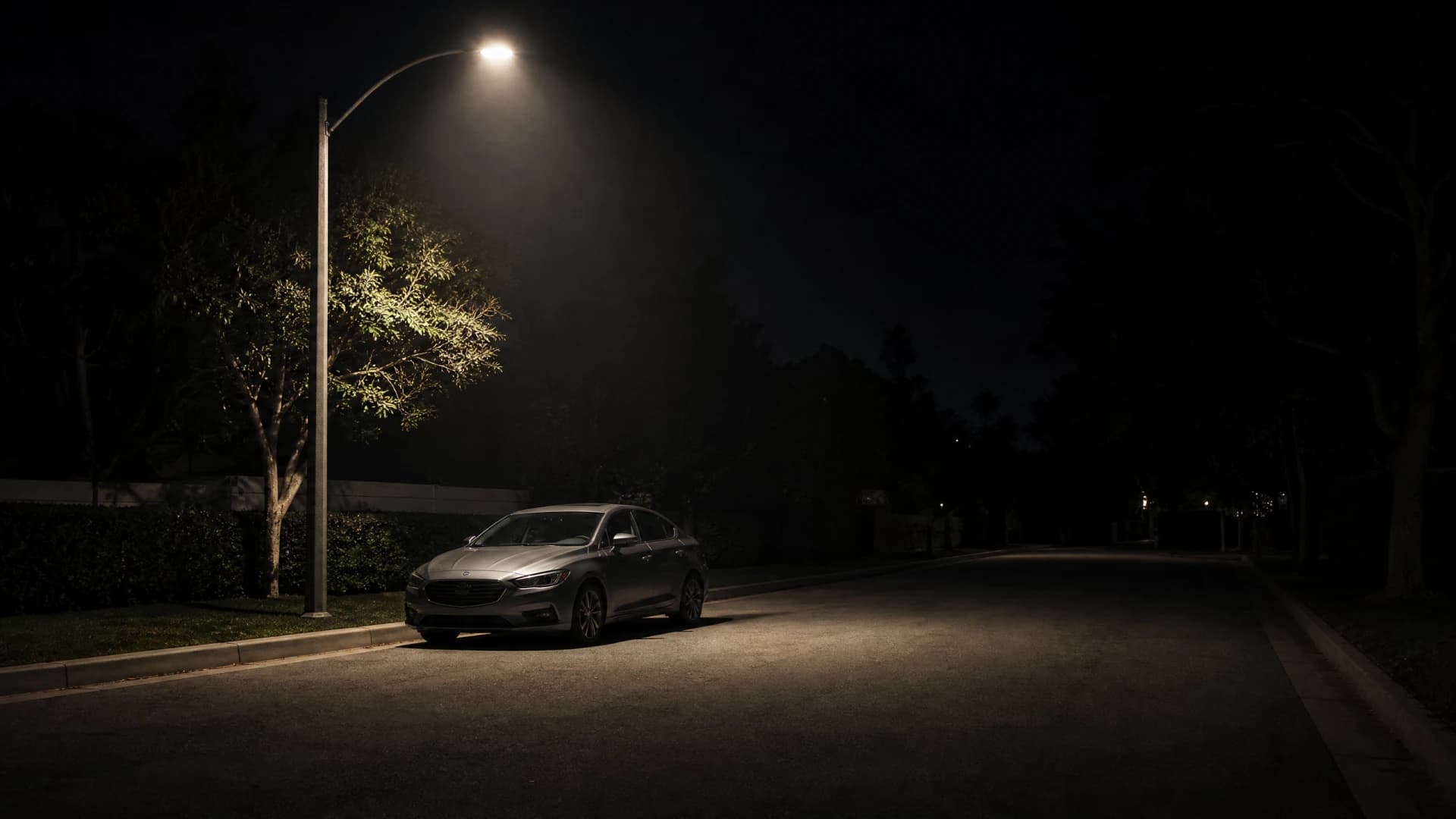
The lender's full-coverage requirement applies only to the financed vehicle. Paid-off cars on the same policy can drop collision and comprehensive without affecting the multi-car discount.
Related Articles



When Mixing Coverage Levels Saves Money
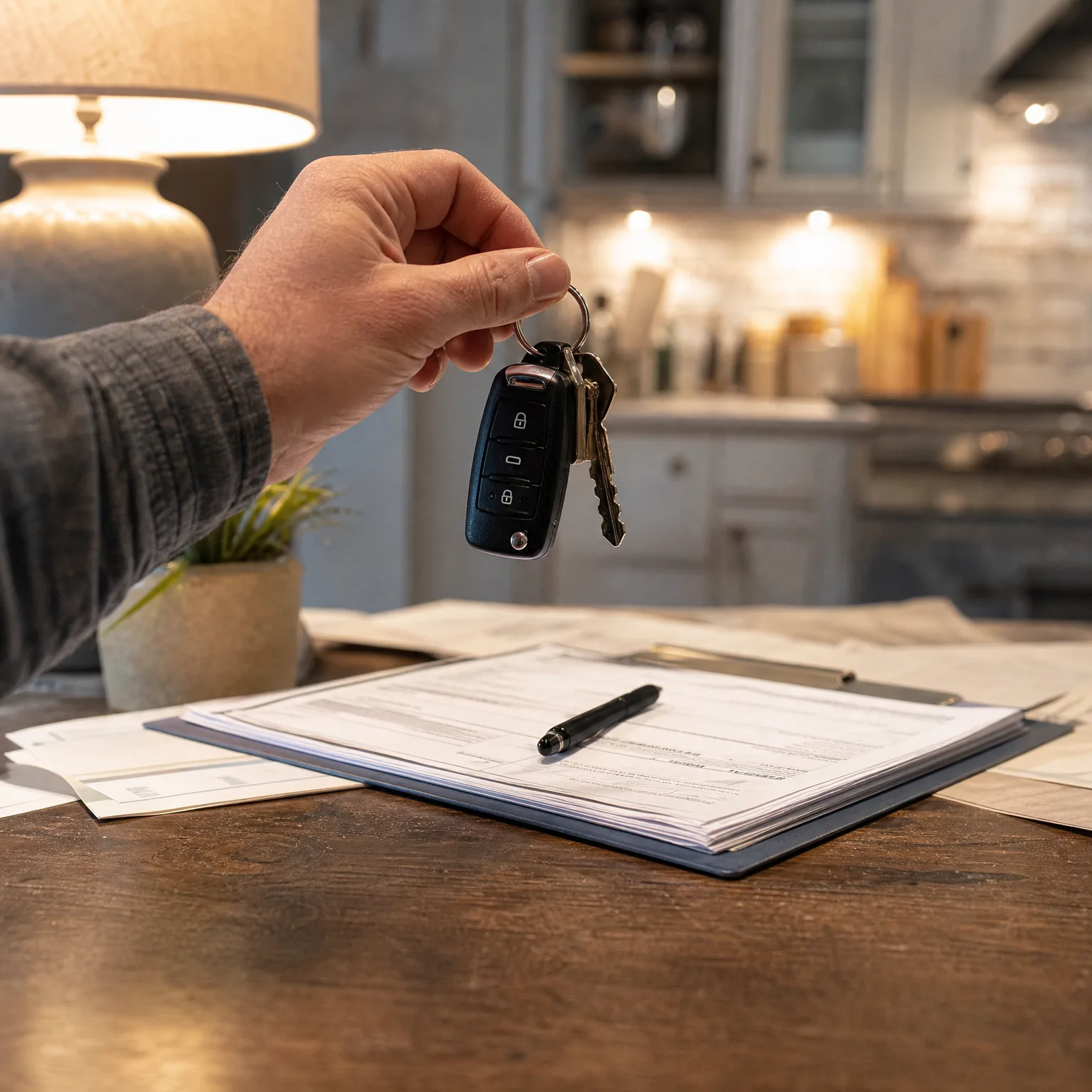
A three-vehicle household with one financed 2022 SUV, one paid-off 2015 sedan, and one 2008 truck illustrates the structure. The SUV carries full coverage per the lender's requirement. The sedan's value justifies keeping collision and comprehensive with higher deductibles to lower premiums. The truck, worth under $3,000, drops to liability only.
The multi-car discount applies to the entire policy regardless of per-vehicle coverage differences. Carriers calculate the discount based on vehicle count, not coverage uniformity. Dropping collision on the lowest-value vehicle reduces total premium without affecting the discount percentage applied to the remaining coverage.
Re-rating happens when you add or remove a vehicle, not when you adjust coverage on an existing car. Dropping collision mid-term on a paid-off vehicle triggers a premium adjustment for the remainder of the term. The next renewal re-rates the full policy with the new coverage structure in place.
9.6%
Hawaii Uninsured Motorist Rate
Nearly one in ten Hawaii drivers operates without insurance. Uninsured motorist coverage protects your household when an at-fault driver cannot pay. It is optional in Hawaii but recommended on every vehicle regardless of collision coverage.
Insurance Research Council, 2023
Coverage Gaps to Avoid
Dropping collision on an older vehicle does not eliminate the need for uninsured motorist coverage. An at-fault uninsured driver damages your liability-only car, and your collision coverage would have paid the claim minus your deductible. Without collision, uninsured motorist property damage becomes the only recovery path. Hawaii does not mandate uninsured motorist coverage, but nearly 10% of drivers operate without insurance. Verify uninsured motorist coverage applies to every vehicle on the policy.
Personal injury protection is mandatory in Hawaii regardless of vehicle age or coverage level. PIP pays medical expenses and lost wages after an accident regardless of fault. Carriers cannot sell a Hawaii auto policy without PIP.
Compare Carriers That Write Multi-Vehicle Policies
Carriers writing multi-vehicle policies in Hawaii include State Farm, GEICO, Progressive, Allstate, and USAA. Each calculates the multi-car discount differently and applies different base rates to liability-only versus full-coverage vehicles. A carrier with a strong multi-car discount but higher collision premiums may cost more for a mixed-coverage fleet than a carrier with a smaller discount and lower per-vehicle rates.
Request quotes that reflect your actual coverage structure: full coverage on financed vehicles, liability only or higher deductibles on paid-off cars. Compare total annual premium across the fleet, not per-vehicle breakdowns. The goal is lowest total cost for the coverage your household actually needs. Use the comparison tool to see which carriers write policies structured around multiple vehicles with different coverage levels.
How to Structure Coverage Across Multiple Vehicles
Start with the newest or highest-value vehicle. If a lender holds the title, full coverage—collision, comprehensive, and liability above state minimums—is mandatory until the loan pays off. The lender names the required deductibles and coverage limits in the financing agreement. That vehicle anchors the policy's base structure.
For paid-off vehicles, compare replacement cost to annual collision and comprehensive premiums. Liability coverage remains mandatory per Hawaii law regardless of vehicle age or value.
Get Your Free Quote
Get My Hawaii Car Insurance QuoteFrequently Asked Questions
Can I have full coverage on one car and liability only on another on the same Hawaii policy?
Yes. Hawaii's same-policy multi-car discount requires all vehicles sit on one policy, but coverage levels can differ per vehicle. A financed car carries full coverage per the lender's requirement; a paid-off car can drop to liability only if its value no longer justifies collision premiums.
Does dropping collision on one vehicle affect my multi-car discount in Hawaii?
No. The multi-car discount applies based on vehicle count, not coverage uniformity. Dropping collision on a paid-off vehicle reduces your total premium without affecting the discount percentage applied to the remaining coverage.
What is the minimum coverage required for each vehicle on a Hawaii multi-car policy?
Every vehicle must carry Hawaii's minimum liability limits: $40,000 bodily injury per person, $80,000 per accident, $20,000 property damage, and personal injury protection. Collision and comprehensive are optional once a lien releases.
Should I keep uninsured motorist coverage on a liability-only vehicle in Hawaii?
Yes. Nearly 10% of Hawaii drivers operate without insurance. Uninsured motorist property damage becomes your only recovery path when an at-fault uninsured driver damages your liability-only car. Verify uninsured motorist coverage applies to every vehicle on your policy.
How do I know when to drop collision coverage on an older car in a multi-vehicle policy?
Compare replacement cost to annual collision premiums plus your deductible.