
Full Coverage Car Insurance Cost — Hawaii
Free to compare
What Full Coverage Means in Hawaii
Full coverage in Hawaii means state-required liability ($40,000 per person, $80,000 per accident, $20,000 property damage) plus mandatory personal injury protection, plus collision and comprehensive on your vehicles. The collision piece pays for damage to your car in an at-fault accident. Comprehensive covers theft, weather damage, and non-collision events. Hawaii's 9.6% uninsured motorist rate and vehicle theft rate of 383.3 per 100,000 residents make comprehensive particularly relevant for households insuring multiple cars.
The structural reality: Hawaii already mandates PIP, so your minimum-coverage baseline sits higher than most states. Full coverage adds collision and comprehensive atop that foundation. When you're insuring two or more vehicles, the decision splits vehicle by vehicle — newer financed cars typically require full coverage by the lender, while older paid-off vehicles become collision-optional once repair cost exceeds the car's value.
“Collision you can drop once the car's value falls; comprehensive you keep until the vehicle is worth very little.”

Check Your Rate Against Other Hawaii Drivers
Get My Hawaii Car Insurance Quote9.6%
Hawaii Uninsured Motorist Rate
Nearly one in ten drivers on Hawaii roads carries no insurance. Uninsured motorist coverage protects your household when an at-fault driver cannot pay, and comprehensive covers hit-and-run scenarios where the other driver flees.
Insurance Research Council, 2023
How Hawaii's Mandatory PIP Changes the Baseline
Hawaii requires personal injury protection on every auto policy. PIP pays medical expenses and lost wages for you and your passengers regardless of fault. This mandatory coverage raises the floor — your minimum-liability-only policy already includes PIP, so the gap between minimum and full coverage is narrower than in states where PIP is optional.
When you add collision and comprehensive to a multi-vehicle policy, you're layering physical-damage coverage atop a base that already includes injury protection. The incremental cost depends on each vehicle's value, your deductible choices ($500 or $1,000 are standard), and whether your household qualifies for the multi-car discount. Carriers writing in Hawaii — including Geico, Progressive, State Farm, Allstate, and USAA — structure multi-vehicle discounts around same-policy requirements, meaning every car must sit on one policy to qualify.
The multi-car discount applies to the entire policy premium, including liability, PIP, and physical-damage coverages. Adding a second or third vehicle triggers the discount, but the savings percentage varies by carrier and is not published. Compare quotes with every vehicle listed to see the combined effect.
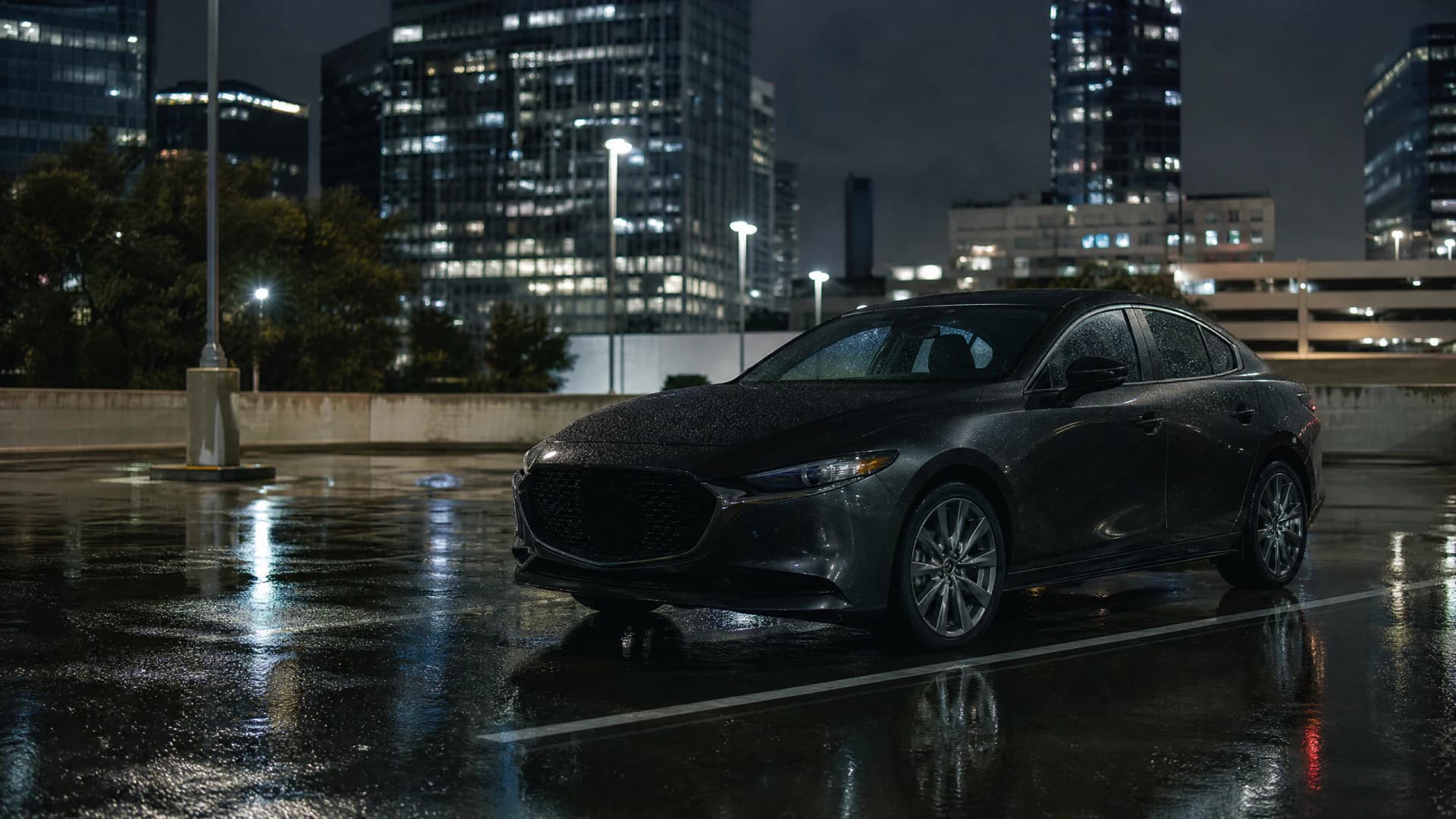
Collision becomes optional once your vehicle's value drops below roughly ten times your deductible — at that point, you're paying to insure a car worth less than the coverage costs over a few years.



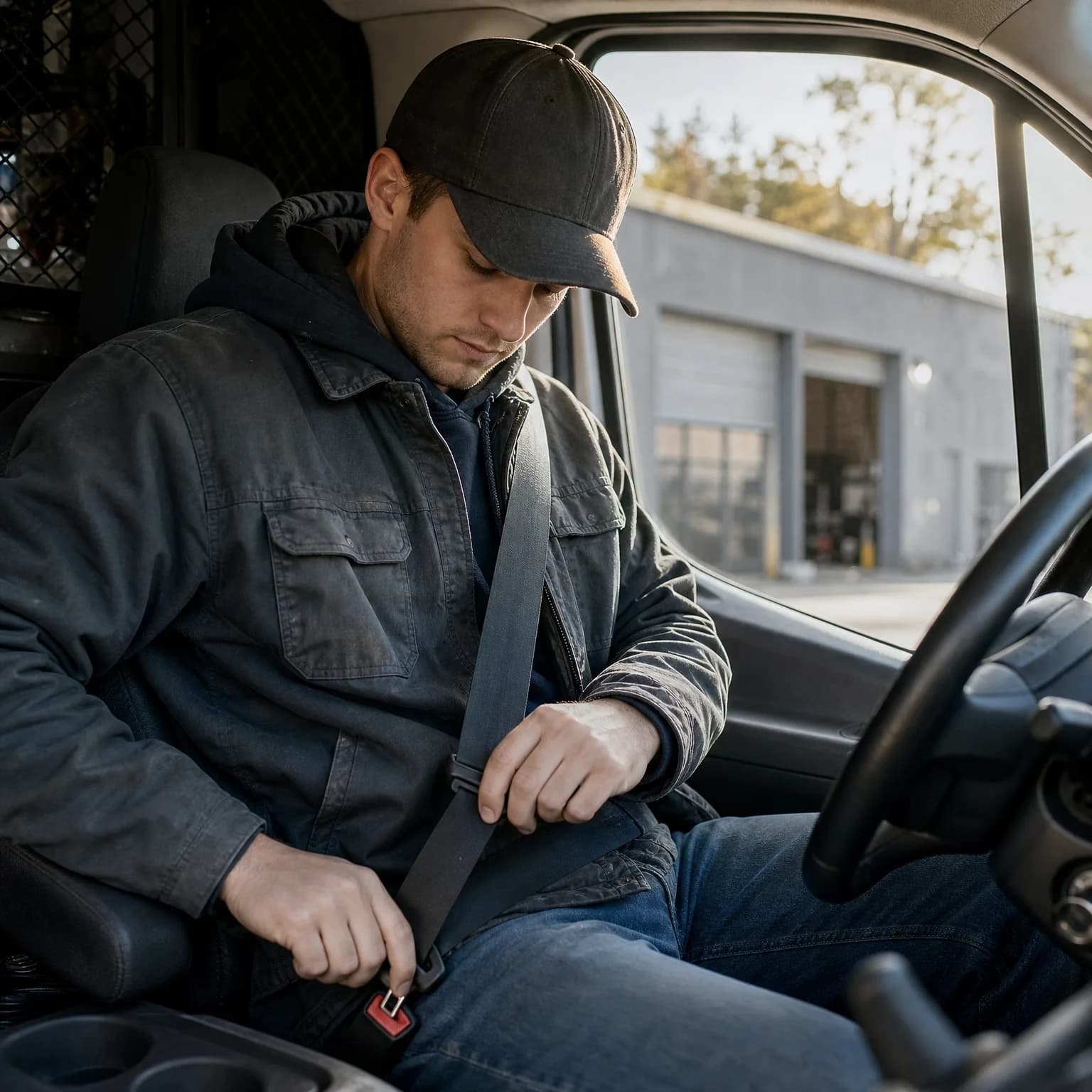



How Adding or Dropping Coverage Re-Rates Your Policy
Adding collision and comprehensive mid-term re-rates your entire policy, not just the vehicle you're changing. Carriers recalculate the multi-car discount, apply any bundling credits, and adjust the total premium. The new rate takes effect immediately, and you pay the prorated difference for the remainder of the term.
Dropping collision on an older vehicle works the same way — the carrier re-rates the policy and issues a prorated refund. The multi-car discount remains intact as long as every vehicle stays on the same policy. Removing a vehicle entirely (selling it, transferring the title) also triggers a re-rate, and the discount may shrink if you drop below the carrier's multi-vehicle threshold.
Most Hawaii carriers require 24 to 48 hours' notice to add or remove coverage. Geico, Progressive, and State Farm allow online policy changes; others require a phone call. Document the effective date in writing — coverage gaps or overlaps create claim disputes.
$40,000 / $80,000 / $20,000
Hawaii Minimum Liability Limits
Hawaii mandates $40,000 bodily injury per person, $80,000 per accident, and $20,000 property damage. Full coverage policies carry these same liability minimums unless you increase them — collision and comprehensive do not replace liability, they add to it.
Hawaii Revised Statutes § 431:10C-301

Carriers Writing Full Coverage for Multiple Vehicles in Hawaii
Twelve carriers write standard and non-standard auto policies in Hawaii. Geico, Progressive, State Farm, Allstate, and USAA write multi-vehicle policies with online quoting. Farmers, Liberty Mutual, National General, Travelers, and Hartford write through agents. All require every vehicle to sit on the same policy to qualify for the multi-car discount.
USAA restricts eligibility to military members, veterans, and their families but consistently writes competitive multi-vehicle rates for eligible households. State Farm and Allstate operate through local agents and require in-person or phone quotes for policies with three or more vehicles. Geico and Progressive offer instant online quotes for up to four vehicles; adding a fifth requires a phone call.
Compare Carriers With Your Household's Vehicles Listed
Request quotes with every vehicle, every driver, and your actual garaging address. The multi-car discount, territory rating, and coverage-tier pricing vary by carrier, and the lowest rate for one car is rarely the lowest for three. Include each vehicle's year, make, model, and annual mileage — carriers rate physical-damage coverage on theft risk and repair cost, both of which vary by vehicle type.
Specify your deductible preference upfront. A $500 deductible costs more per month but less out-of-pocket at claim time. A $1,000 deductible lowers your premium but doubles your immediate expense after an accident. Compare the same deductible across all carriers so the quotes reflect coverage differences, not deductible differences. See Hawaii's full coverage requirements and carrier options to start your comparison with every vehicle included.
Structuring Full Coverage Across Multiple Vehicles
Start with lender requirements. Any financed or leased vehicle must carry collision and comprehensive until the loan is paid off — the lienholder mandates it. Paid-off vehicles become optional. Compare each car's current market value against your annual collision premium. When the premium exceeds 10% of the vehicle's value, collision coverage costs more than it's likely to return over the policy's life.
Comprehensive coverage operates separately. Hawaii's vehicle theft rate and exposure to weather events (tropical storms, flooding) make comprehensive worth carrying even on older vehicles, particularly in high-theft counties. A $500 or $1,000 deductible keeps the premium manageable while covering total-loss scenarios. Collision you can drop; comprehensive you typically keep until the car is worth very little.
Get Your Free Quote
Get My Hawaii Car Insurance QuoteFrequently Asked Questions
Does full coverage in Hawaii include uninsured motorist coverage?
Full coverage typically means liability, PIP, collision, and comprehensive. Uninsured motorist coverage is optional in Hawaii but recommended — 9.6% of drivers carry no insurance. Add uninsured/underinsured motorist coverage to protect your household when an at-fault driver cannot pay.
Can I carry full coverage on one car and liability-only on another in Hawaii?
Yes. Each vehicle on your policy can carry different coverage levels. Financed cars must carry full coverage per lender requirements. Paid-off older vehicles can drop collision while keeping comprehensive and liability. Both vehicles stay on the same policy to preserve the multi-car discount.
How does Hawaii's mandatory PIP affect full coverage cost?
Hawaii requires personal injury protection on every policy, so your baseline already includes medical and lost-wage coverage. Full coverage adds collision and comprehensive atop that foundation. The gap between minimum and full coverage is narrower than in states where PIP is optional.
What deductible should I choose for collision and comprehensive in Hawaii?
A $500 deductible costs more monthly but less at claim time. A $1,000 deductible lowers your premium but doubles your out-of-pocket expense after an accident. Choose based on your household's ability to cover the deductible immediately if a claim occurs.
Do all Hawaii carriers offer multi-car discounts for full coverage policies?
Yes, but the discount structure and same-policy requirements vary. Geico, Progressive, State Farm, Allstate, and USAA all write multi-vehicle policies with discounts. Every vehicle must sit on the same policy to qualify. Compare quotes with all vehicles listed to see the combined discount effect.