
Liability Coverage Limits — Hawaii
Free to compare
What Brings Multi-Car Households to This Decision
You insure two or more vehicles on one Hawaii policy and you're deciding whether to carry the state minimum liability limits or raise them. The question usually surfaces when you add a vehicle, renew the policy, or realize that one at-fault accident could exceed the coverage you carry across every car on the policy.
Hawaii requires $40,000 per person and $80,000 per accident for bodily injury liability, plus $20,000 for property damage. Those limits apply per accident, not per vehicle. When one of your household's cars causes an accident, the policy pays up to those caps regardless of how many vehicles you insure. Understanding what those minimums actually cover — and what they leave exposed — determines whether raising limits is a cost or a necessity for your household.
“The liability limits on your policy apply per accident, not per vehicle — one at-fault event can exhaust coverage regardless of how many cars you insure.”

Check Your Rate Against Other Hawaii Drivers
Get My Hawaii Car Insurance Quote$20,000
Hawaii Property Damage Minimum
Hawaii's $20,000 property damage liability minimum is the amount your policy must pay for vehicle and property damage you cause in an at-fault accident. Damage to multiple vehicles, guardrails, or structures in a single accident counts against this one cap.
Hawaii Revised Statutes, motor vehicle insurance requirements
The Structural Reality of Per-Accident Limits
The liability limits on your policy apply per accident, not per vehicle you insure. If you carry three cars on one Hawaii policy at state minimums and one of those cars causes an accident, your policy pays up to $40,000 per injured person, $80,000 total for all injuries, and $20,000 for property damage in that single event. The other two vehicles on your policy do not add to those limits.
This structure matters because Hawaii roads see frequent multi-vehicle accidents, and property damage to newer vehicles routinely exceeds $20,000. A single at-fault accident involving two newer cars can push past the property damage cap before your policy covers the full claim. When that happens, the at-fault driver — you or a household member — becomes personally liable for the difference.
Households managing multiple vehicles often assume that insuring more cars increases the coverage available in an accident. It does not. The per-accident structure means every vehicle you add to the policy shares the same liability caps, and one accident involving any of your cars can exhaust them.
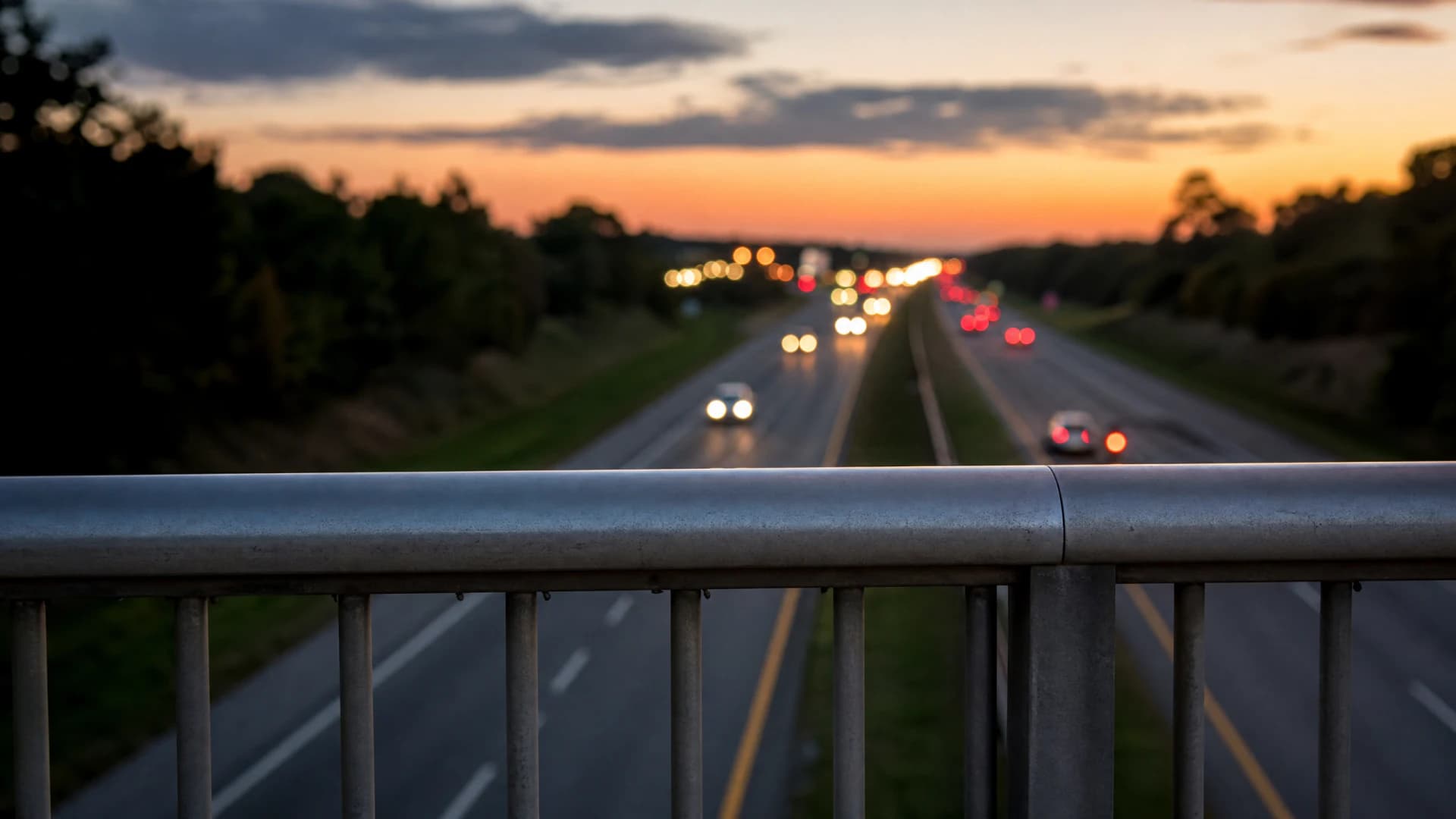
One at-fault accident can exceed Hawaii's $20,000 property damage minimum before covering the full claim, leaving you personally liable for the difference.


How Carriers Price Higher Limits on Multi-Vehicle Policies
Carriers price liability coverage by applying the selected limits to the entire policy, not to each vehicle individually. The cost increase is not linear per vehicle — adding a third car to a policy with higher limits costs less than raising limits on a single-vehicle policy, because the carrier spreads the higher-limit risk across the household's total premium.
This pricing structure makes higher limits more cost-effective for multi-vehicle households than for single-car policies. The marginal cost of raising limits decreases as the number of vehicles increases, because the carrier's underwriting spreads the higher per-accident exposure across a larger premium base.
When you request quotes, compare the total premium at state minimums against the total premium at higher limits. The difference is the cost of protecting your household's assets. Carriers writing multi-vehicle policies in Hawaii include State Farm, Geico, Progressive, Allstate, USAA, Farmers, Liberty Mutual, and National General. Not all carriers price higher limits identically — some reward multi-vehicle households with lower incremental costs for raising coverage, while others price higher limits more steeply.
Compare the total annual premium at those limits against the total annual premium at state minimums. The difference tells you what asset protection costs for your household's specific vehicles, drivers, and location.
12
Carriers Writing Hawaii Policies
Twelve carriers write auto insurance in Hawaii, including State Farm, Geico, Progressive, USAA, Allstate, Farmers, Liberty Mutual, National General, Travelers, Hartford, Amica, and Auto Club Enterprises. Not all price higher liability limits identically — multi-vehicle households benefit from comparing quotes at the same raised limits across multiple carriers.
Hawaii carrier roster, verified via state licensing and AM Best records
The Mechanics of Per-Accident Liability Across Multiple Vehicles
When one vehicle on your policy causes an accident, the liability limits you selected apply to that single event. The other vehicles on your policy do not add separate limits — the caps apply per accident, not per vehicle.
This structure protects you in the sense that every vehicle and every driver on your policy is covered under the same liability umbrella. It exposes you in the sense that one severe accident can exhaust the limits regardless of how many cars you insure. A household with four vehicles at state minimums has the same $20,000 property damage cap per accident as a household with one vehicle at state minimums. Raising limits raises the cap for every vehicle and every driver on the policy simultaneously.
When State Minimums Are Sufficient
State minimums work for households with minimal assets to protect and limited financial exposure. If you do not own a home, hold significant savings, or have retirement accounts, the risk of personal liability following an at-fault accident is lower because there are fewer assets for an injured party to pursue. Households renting rather than owning, with minimal savings, and insuring older vehicles may find that state minimums meet their legal obligation without overextending their budget.
Even in that scenario, Hawaii's $20,000 property damage minimum leaves little margin. Newer vehicles routinely cost more than $20,000 to repair or replace, and a single at-fault accident involving two vehicles can exceed the cap. If you carry state minimums, you accept the risk that one accident could result in personal liability for the amount exceeding your coverage. That risk increases with the number of vehicles and drivers on your policy, because more vehicles mean more opportunities for an at-fault event.
Compare your household's total asset exposure — home equity, savings, retirement accounts — against the liability limits you carry. If your assets exceed your liability coverage by a significant margin, raising limits protects those assets. If your assets are minimal, state minimums may suffice, but the $20,000 property damage cap remains a structural vulnerability even for households with limited financial exposure. One accident involving a newer vehicle exhausts that cap quickly, and the at-fault driver becomes personally liable for the remainder.
Compare Carriers at Your Chosen Limits
The next step is to request quotes from multiple carriers at the liability limits you decide to carry. Specify the same limits — whether state minimums or higher — across every quote so you compare apples to apples.
Use Hawaii Car Insurance Requirements' comparison tool to request quotes from carriers writing your household's vehicles. Enter every vehicle on your policy, every driver in your household, and the liability limits you want to compare. The tool routes your information to carriers that write multi-vehicle policies in Hawaii and returns quotes you can compare side by side. Raising liability limits protects your household's assets; comparing carriers ensures you pay the lowest premium for that protection.
When Raising Limits Protects Household Assets
Hawaii allows injured parties to pursue personal assets — home equity, savings, retirement accounts — when liability coverage does not fully pay a claim. If your household owns a home, holds significant savings, or has retirement accounts, those assets become targets in a lawsuit following an at-fault accident.
Multi-vehicle households face higher statistical exposure because more drivers and more vehicles increase the probability of an at-fault accident. A household with three cars and multiple drivers has three times the opportunity for one of those vehicles to cause a claim. Raising limits across the entire policy protects every vehicle and every driver on it, and the incremental cost per vehicle decreases as you add cars because the higher limits apply to all of them under one premium structure.
Get Your Free Quote
Get My Hawaii Car Insurance QuoteFrequently Asked Questions
Does insuring more vehicles increase my liability coverage in Hawaii?
No. Liability limits apply per accident, not per vehicle. If you insure three cars at $40,000/$80,000 bodily injury and $20,000 property damage, one at-fault accident involving any of those cars is covered up to those same caps. Adding vehicles does not add separate liability limits.
What happens if an at-fault accident exceeds my liability limits in Hawaii?
You become personally liable for the amount exceeding your coverage. Hawaii allows injured parties to pursue your personal assets — home equity, savings, retirement accounts — when your liability coverage does not fully pay a claim. Raising limits protects those assets.
How much does it cost to raise liability limits on a multi-vehicle Hawaii policy?
The cost varies by carrier, the number of vehicles, and your household's drivers. Compare quotes from multiple carriers at the same raised limits to find the lowest cost for your household.
Should I carry higher liability limits if I own a home in Hawaii?
Yes. Home equity is a personal asset that injured parties can pursue if an at-fault accident exceeds your liability coverage.
Do all Hawaii carriers price higher liability limits the same way?
No. Carriers price higher limits differently, and some reward multi-vehicle households with lower incremental costs for raising coverage. Request quotes at the same raised limits from at least three carriers to compare the total premium and find the lowest cost for your household's specific vehicles and drivers.
Can I carry different liability limits for different vehicles on the same Hawaii policy?
No. Liability limits apply to the entire policy, not to individual vehicles. Every vehicle and every driver on your Hawaii policy is covered under the same bodily injury and property damage caps. You cannot assign higher limits to one vehicle and lower limits to another on the same policy.