
Financial Responsibility Proof — Hawaii
Free to compare
When Hawaii Requires Financial Responsibility Proof
Hawaii requires proof of financial responsibility after specific violations: OVUII (operating a vehicle under the influence of an intoxicant), reckless or inattentive driving, driving under the influence of drugs, driving while your license is suspended or revoked, or causing an at-fault accident with death, injury, or property damage exceeding $3,000. The state mandates this proof through an SR-22 certificate filed by your insurance carrier directly with the Administrative Drivers License Revocation Office.
The SR-22 is not insurance itself — it is a certificate your carrier files to confirm you carry at least Hawaii's minimum liability limits: $40,000 bodily injury per person, $80,000 bodily injury per accident, and $20,000 property damage. The filing remains active for three years from the date of your conviction or administrative action, not from the date you file. If your policy lapses or cancels during that period, your carrier notifies ADLRO within 10 days, and your driving privilege is suspended immediately.
“A single day of lapsed coverage during your SR-22 period suspends your license and resets the three-year requirement from zero.”

Check Your Rate Against Other Hawaii Drivers
Get My Hawaii Car Insurance Quote3 years
Hawaii SR-22 Filing Period
Hawaii Revised Statutes chapter 287-22 requires continuous SR-22 filing for three years following conviction for OVUII, reckless driving, or at-fault accidents meeting the statutory threshold. The three-year clock starts at conviction, not at the date you obtain insurance or file the certificate.
HRS 287-22
How the SR-22 Certificate Works in Hawaii
Your insurance carrier files the SR-22 certificate electronically with ADLRO once you purchase a policy that meets Hawaii's minimum liability requirements. Most carriers charge a one-time filing fee and process the certificate within one to three business days. You do not file the SR-22 yourself — the carrier handles the entire submission.
Hawaii offers two SR-22 variants: owner and non-owner. The owner certificate covers a vehicle you own and register in your name. The non-owner certificate covers you when driving vehicles you do not own — borrowed cars, rental vehicles, or employer-owned vehicles. If you do not own a car but need to reinstate your license, the non-owner SR-22 satisfies the state's proof requirement.
Once filed, the certificate remains active as long as your policy stays in force and you pay premiums on time. If you switch carriers during the three-year period, your new carrier must file a replacement SR-22 before your old policy cancels. Any gap — even one day — triggers an automatic suspension, and you must restart the three-year clock from the new filing date.
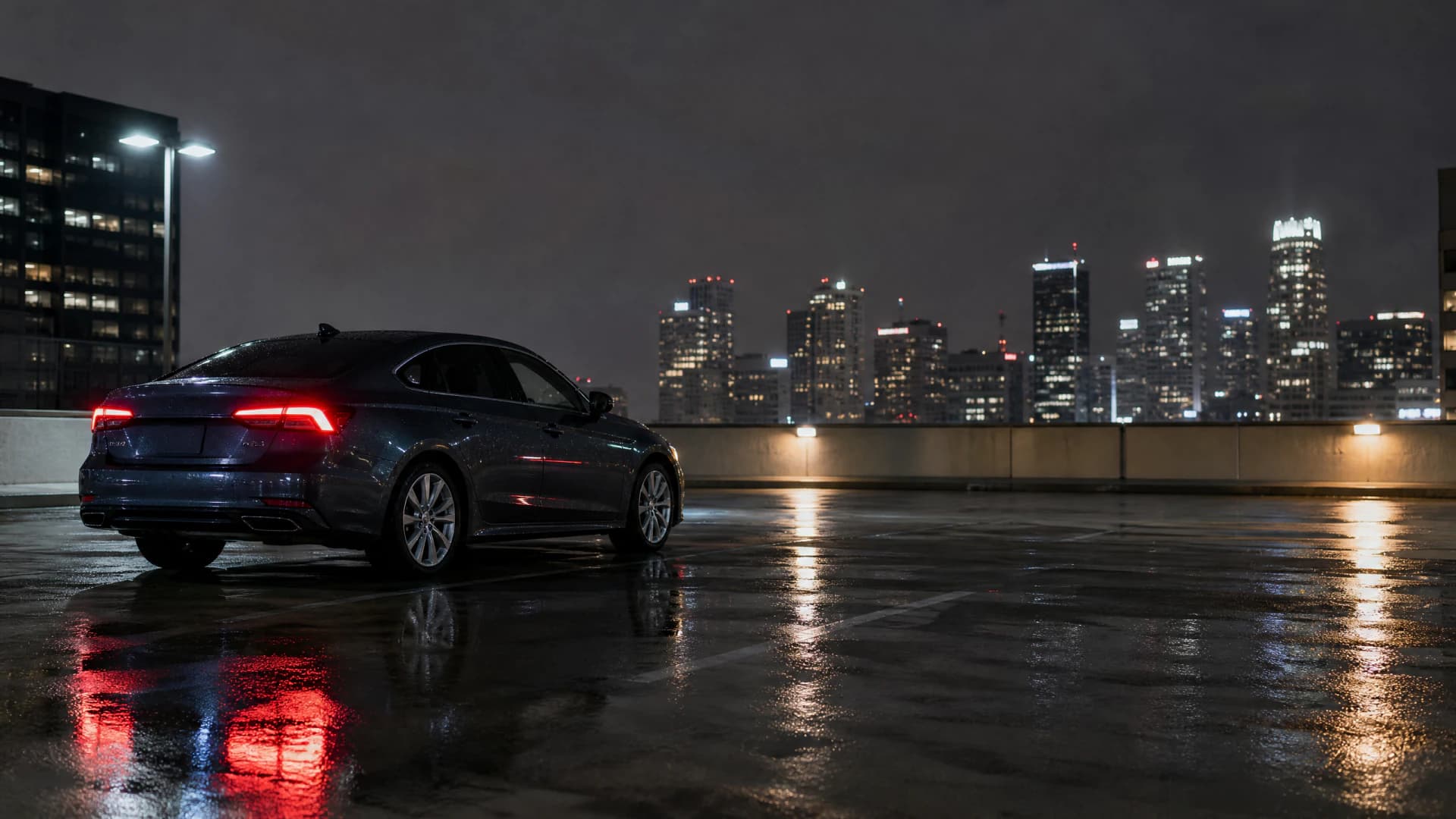
A single day of lapsed coverage during your SR-22 period suspends your license and resets the three-year requirement from zero.



Which Carriers File SR-22 in Hawaii
Twelve carriers write SR-22 policies in Hawaii: Allstate, Farmers, Geico, Liberty Mutual, National General, Progressive, State Farm, and USAA file owner and non-owner SR-22 certificates. Geico, National General, Progressive, Travelers, and USAA also write non-owner policies for drivers who do not own a vehicle. Not every carrier writes SR-22 — if your current carrier does not file in Hawaii, you must switch to one that does before your suspension lifts.
Carriers treat SR-22 filings as high-risk policies, and premiums reflect that classification. Expect higher rates than standard policies, but rates vary widely by carrier. Some carriers specialize in high-risk drivers and offer more competitive pricing than standard carriers. Compare quotes from at least three SR-22 carriers before committing — the filing fee is similar across carriers, but base premiums differ by hundreds of dollars annually.
When you request a quote, confirm the carrier files SR-22 certificates in Hawaii and ask whether they offer owner, non-owner, or both variants. Some carriers write only one type. If you plan to purchase a vehicle during your SR-22 period, verify the carrier will convert a non-owner certificate to an owner certificate without restarting your three-year clock.
$40,000 / $80,000 / $20,000
Hawaii Minimum Liability Limits
Hawaii requires all drivers to carry at least $40,000 bodily injury coverage per person, $80,000 per accident, and $20,000 property damage coverage. SR-22 policies must meet or exceed these minimums, and your carrier will not file the certificate if your policy falls below the statutory floor.
Hawaii state minimum liability requirements

Maintaining Compliance During the Filing Period
Pay every premium on time. Carriers report lapses to ADLRO within 10 days, and the state suspends your license automatically. If you miss a payment, contact your carrier immediately — some allow a grace period before canceling the policy, but that grace period does not extend your SR-22 compliance. The state counts any gap as a lapse, regardless of whether your carrier gave you extra time to pay.
If you move out of Hawaii during your SR-22 period, your filing obligation does not transfer automatically. Contact ADLRO before you relocate to confirm whether your new state recognizes Hawaii's SR-22 requirement or whether you must file in your new state. Some states honor out-of-state filings; others require a new certificate under their own rules. Do not assume your Hawaii SR-22 satisfies another state's proof requirement — verify before you move.
Compare SR-22 Carriers and Secure Your Filing
Start by requesting quotes from carriers that write SR-22 policies in Hawaii. Provide your conviction date, the violation type, and whether you need an owner or non-owner certificate. Carriers price SR-22 policies based on your driving record, age, location, and the vehicle you insure, so quotes vary widely. Once you select a carrier, they file the SR-22 certificate with ADLRO electronically, and you receive confirmation within a few business days. Keep a copy of your SR-22 certificate and your insurance declarations page in your vehicle at all times — Hawaii law requires you to show proof of insurance during traffic stops, and the SR-22 certificate alone does not satisfy that requirement. Your declarations page confirms your policy is active and meets the state's minimum limits. Compare carriers now to find the policy that fits your household and maintains your compliance for the full three years.
The Ignition Interlock Permit Path
The Ignition Interlock Permit requires you to install a certified ignition interlock device in any vehicle you operate. You submit an IIP application to ADLRO along with proof of IID installation, proof of valid insurance meeting Hawaii's minimum liability limits, and the SR-22 certificate filed by your carrier. ADLRO does not require a hearing for IIP approval — the application is administrative. Once approved, you may drive only vehicles equipped with the certified IID.
Hawaii also offers an Employee Driver Permit variant for drivers whose employment requires vehicle operation. This permit restricts you to driving only your employer's vehicles during specified work hours, not exceeding 12 hours per day. The permit does not allow personal driving, and you must carry documentation of your employment and the permit itself whenever you drive. Both permit types require continuous SR-22 filing for the full three-year period, and any lapse in coverage or IID compliance terminates the permit immediately.
Get Your Free Quote
Get My Hawaii Car Insurance QuoteFrequently Asked Questions
How long does Hawaii require SR-22 filing after a DUI?
Hawaii requires SR-22 filing for three years after an OVUII conviction, measured from the conviction date. The three-year period does not start when you file the certificate — it starts at conviction. Any lapse in coverage during those three years resets the clock to zero.
Can I get an SR-22 in Hawaii if I don't own a car?
Yes. Hawaii allows non-owner SR-22 certificates for drivers who do not own a vehicle. The non-owner certificate covers you when driving borrowed, rental, or employer-owned vehicles and satisfies the state's proof-of-financial-responsibility requirement for license reinstatement.
What happens if my SR-22 policy lapses in Hawaii?
Your carrier notifies ADLRO within 10 days of any lapse or cancellation, and the state suspends your license immediately. You must purchase a new policy, file a new SR-22 certificate, pay reinstatement fees, and restart the three-year filing period from the new filing date.
Do all insurance carriers file SR-22 in Hawaii?
No. Twelve carriers write SR-22 policies in Hawaii, including Geico, Progressive, State Farm, and USAA. If your current carrier does not file SR-22 certificates, you must switch to a carrier that does before ADLRO will lift your suspension.
Can I drive with an Ignition Interlock Permit in Hawaii?
Yes, but only in vehicles equipped with a certified ignition interlock device. The IIP allows limited driving privileges during your SR-22 period, but you must maintain continuous SR-22 filing and IID compliance. Any lapse in either terminates the permit immediately.
How much does SR-22 filing cost in Hawaii?
Premiums vary widely by carrier, driving record, and coverage selections — compare quotes from multiple SR-22 carriers to find the most competitive rate.