
What Affects Car Insurance Rates — Hawaii
Free to compare
Why Hawaii Quotes Vary More Than You Expect
You request quotes from three carriers for the same vehicle and the same driver profile. One comes back at $74 per month. All three meet Hawaii's $40,000/$80,000/$20,000 liability minimum plus mandatory personal injury protection. The coverage is identical on paper, but the price spread is wide enough to matter over a year.
Hawaii's rate structure reflects factors most drivers don't see until they compare quotes side by side. The state mandates PIP coverage, which adds a base cost every carrier prices differently. Nearly one in ten drivers on Hawaii roads is uninsured, which pushes up the risk pool for everyone else. Your garaging address, your vehicle's theft rate, and whether you qualify for a multi-vehicle discount all move the needle before you ever add optional coverage.
“Hawaii's mandatory PIP and 9.6% uninsured rate mean your base premium sits higher than states without PIP mandates, even at minimum liability limits.”

Check Your Rate Against Other Hawaii Drivers
Get My Hawaii Car Insurance Quote9.6%
Hawaii Uninsured Motorist Rate
Nearly one in ten drivers in Hawaii operates without insurance, above the national average. This uninsured-motorist rate increases collision and liability risk across the insured pool, which carriers price into base premiums.
Insurance Research Council, 2023
Hawaii's Mandatory Coverage Floor
Hawaii requires $40,000 per person and $80,000 per accident in bodily injury liability, plus $20,000 in property damage liability. Every policy must also carry personal injury protection, which covers your own medical expenses and lost wages regardless of fault. PIP is not optional. Carriers price it into every quote, and the cost varies by underwriting model.
The state does not mandate uninsured motorist coverage, but given that 9.6% of drivers lack insurance, many households add it voluntarily. When you request a quote, the carrier starts with the mandatory floor—liability plus PIP—then layers on any optional coverage you select. The base rate reflects your driving record, your vehicle, and your garaging ZIP code before optional coverages enter the calculation.
Carriers writing in Hawaii include State Farm, Geico, Progressive, USAA, Allstate, Farmers, National General, Liberty Mutual, Travelers, Hartford, Amica, and Auto Club Enterprises. Each uses a different weighting model for the factors below, which is why identical coverage produces different premiums across carriers.
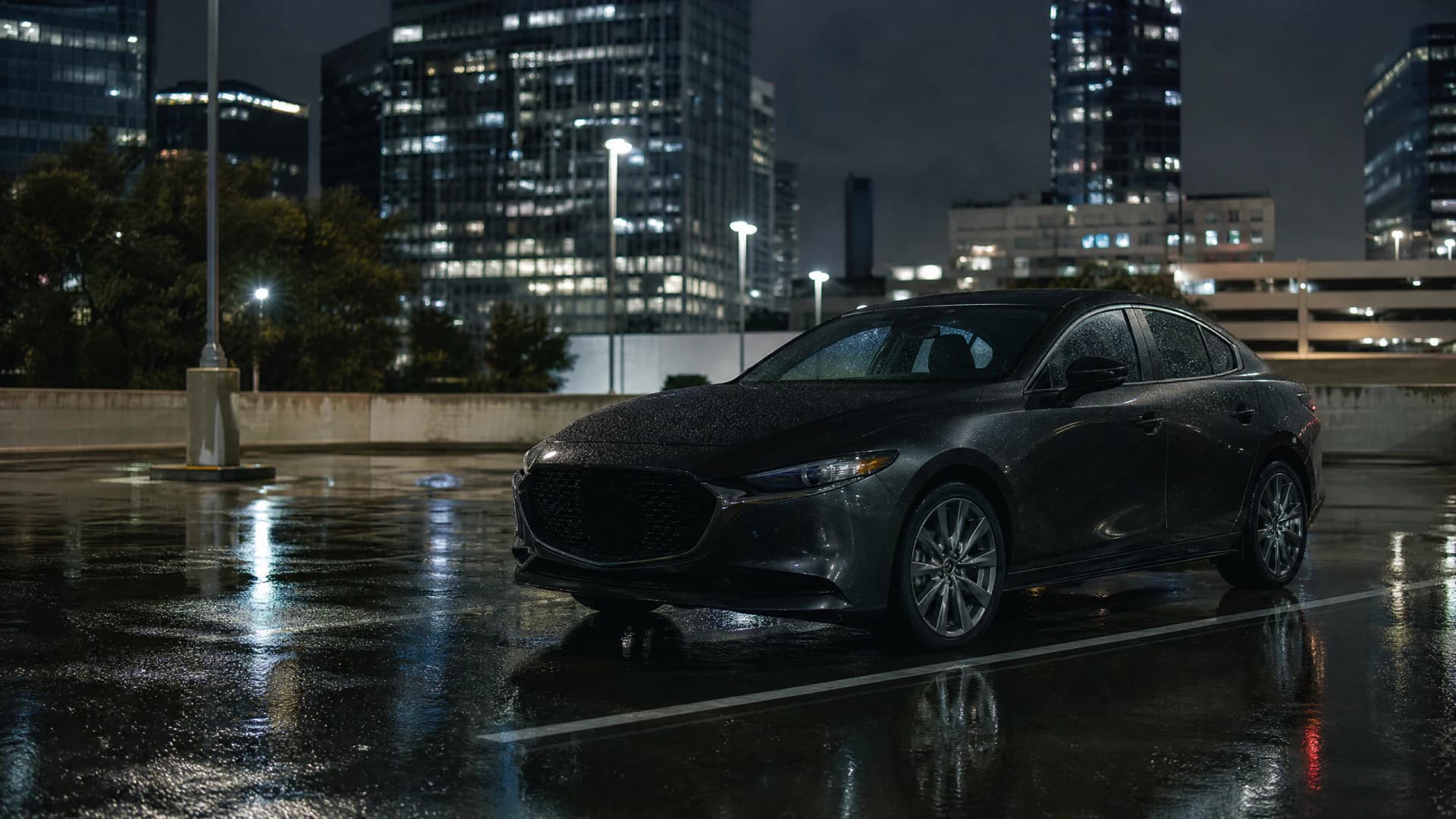
The mandatory PIP requirement and high uninsured-motorist rate mean Hawaii's base premium sits higher than states without PIP mandates, even at minimum liability limits.




Vehicle and Coverage Structure
Your vehicle's make, model, year, and safety features move your rate in both directions. A newer vehicle with anti-theft systems and high crash-test scores costs less to insure than an older model with no safety tech. Carriers pull vehicle identification data at quote time and apply a base rate that reflects repair cost, theft frequency, and injury risk for that specific vehicle.
If you insure multiple vehicles on one policy, the multi-car discount applies to the total premium. Most carriers require every vehicle to sit on the same policy and share a garaging address. Adding a second or third vehicle lowers the per-vehicle rate, but the total premium rises because you're covering more assets. Dropping collision or comprehensive on an older vehicle reduces the premium for that car without affecting liability coverage.
Deductible selection affects your premium directly. A $500 deductible costs more per month than a $1,000 deductible. Choosing a higher deductible lowers your premium but increases your out-of-pocket cost at claim time. Carriers let you set deductibles separately for collision and comprehensive, so you can structure each based on the vehicle's value and your cash reserves.
$40,000/$80,000/$20,000
Hawaii Minimum Liability Limits
Hawaii requires $40,000 per person and $80,000 per accident in bodily injury liability, plus $20,000 in property damage liability. These minimums apply to every policy, and carriers price them as the base layer before adding optional coverages.
Hawaii Revised Statutes
Credit, Age, and Household Composition
Hawaii allows carriers to use credit-based insurance scores in underwriting. A higher credit score correlates with lower claim frequency in actuarial models, so drivers with strong credit pay less than drivers with poor credit for identical coverage. If your credit score improves, request a re-quote at renewal—you may qualify for a lower rate without changing coverage.
Age affects your rate in a U-shaped curve. Teen drivers pay the highest premiums because they have the highest accident rates. Rates drop sharply in your mid-20s as you build a clean driving record. Premiums stabilize through middle age, then tick up slightly after age 72, when Hawaii requires accelerated license renewal every four years and a vision test at every renewal. Senior drivers with clean records still pay less than teens, but the rate increase reflects higher injury severity in senior-involved crashes.
Household composition matters when you add drivers to your policy. Adding a teen driver raises your premium significantly. Adding a spouse with a clean record may lower your per-driver rate if the carrier offers a multi-driver discount. If a household member has a suspended license or a recent DUI, some carriers exclude that driver from the policy to avoid rating them, but exclusion means that driver has zero coverage if they operate any vehicle on the policy.
Compare Carriers With Your Actual Profile
Generic rate estimates don't reflect your specific situation. A carrier that quotes low for a 35-year-old with a clean record may quote high for a 22-year-old with one at-fault accident. The only way to find the lowest rate for your profile is to request quotes from multiple carriers using your actual driving record, vehicle, and garaging address. Twelve carriers write policies in Hawaii, and each weights the factors above differently.
When you compare quotes, confirm that every quote reflects Hawaii's mandatory liability minimums plus PIP. If one quote looks significantly lower, check whether it includes the required coverages or whether optional coverages were removed. A quote that meets state minimums but excludes uninsured motorist coverage may look cheaper until you realize you're unprotected if an uninsured driver hits you. Compare apples to apples: same liability limits, same PIP, same optional coverages, same deductibles. Then choose the carrier that delivers the lowest rate for the coverage structure you need.
Primary Rating Factors in Hawaii
Driving record: A clean record earns the lowest rate. A single at-fault accident or moving violation raises your premium for three to five years, depending on the carrier. A DUI conviction triggers SR-22 filing for three years and moves you into the high-risk tier, where base rates double or triple. Carriers review your motor vehicle record at quote time and again at renewal.
Garaging location: Your vehicle's primary garaging address determines theft risk, collision frequency, and claim density. Urban ZIP codes on Oahu carry higher rates than rural areas on the Big Island or Kauai. Vehicle theft rates vary significantly by island: Hawaii recorded 383.3 thefts per 100,000 population in 2024, concentrated in metro areas. Carriers adjust base rates by garaging ZIP code before applying any discounts.
Get Your Free Quote
Get My Hawaii Car Insurance QuoteFrequently Asked Questions
What is the minimum car insurance required in Hawaii?
Hawaii requires $40,000 per person and $80,000 per accident in bodily injury liability, plus $20,000 in property damage liability. Every policy must also carry personal injury protection. Uninsured motorist coverage is optional but recommended given that 9.6% of Hawaii drivers are uninsured.
Does Hawaii allow carriers to use credit scores for insurance rates?
Yes. Hawaii permits carriers to use credit-based insurance scores in underwriting. A higher credit score typically lowers your premium because actuarial models correlate strong credit with lower claim frequency. If your credit improves, request a re-quote at renewal to see if you qualify for a lower rate.
How much does adding a teen driver raise my Hawaii car insurance rate?
Adding a teen driver raises your premium significantly because teen drivers have the highest accident rates of any age group. The exact increase depends on the carrier, the teen's driving record, and whether the teen completes a driver education course. Compare quotes from multiple carriers when adding a teen to find the lowest rate for your household.
Do I need uninsured motorist coverage in Hawaii?
Hawaii does not mandate uninsured motorist coverage, but 9.6% of drivers in the state operate without insurance. If an uninsured driver causes an accident, your liability coverage does not pay for your own injuries or vehicle damage. Uninsured motorist coverage fills that gap and costs less than most drivers expect.
How does my garaging ZIP code affect my Hawaii car insurance rate?
Your garaging ZIP code determines theft risk, collision frequency, and claim density in your area. Urban ZIP codes on Oahu carry higher rates than rural areas on the Big Island or Kauai. Carriers adjust base rates by ZIP code before applying discounts, so two drivers with identical records pay different premiums if they garage their vehicles in different areas.
Can I lower my Hawaii car insurance rate by increasing my deductible?
Yes. Choosing a higher deductible lowers your monthly premium because you agree to pay more out of pocket at claim time. A $1,000 deductible costs less per month than a $500 deductible. You can set deductibles separately for collision and comprehensive, so structure each based on your vehicle's value and your cash reserves.