
Hawaii Mandates PIP on Every Auto Policy
Hawaii requires personal injury protection on every auto insurance policy written in the state. You cannot register a vehicle or maintain legal coverage without it.
This puts Hawaii in a small group of no-fault states where your own policy pays your injury costs first, before any liability claim against the at-fault driver. The structural consequence: you carry two injury coverages simultaneously — PIP for your own injuries, and bodily injury liability to pay others' injuries when you cause the accident. Both are mandatory, and both appear on every Hawaii policy.
Compare car insurance rates in your state
Get quotes from licensed carriers — no obligation, no spam, results in minutes.
Get Your Free QuoteHawaii Minimum PIP Limit
Hawaii Revised Statutes, motor vehicle insurance chapter
What PIP Actually Pays in Hawaii
PIP covers medical expenses, rehabilitation costs, lost income, and funeral expenses for you and your passengers after an accident, regardless of fault. If you cause the collision, PIP still pays your bills. If the other driver caused it, PIP pays first, and you pursue the at-fault driver's liability coverage only after your PIP limit is exhausted.
PIP does not cover vehicle damage. Collision and comprehensive coverages pay for your car; PIP pays only for injuries. It also does not cover injuries you cause to others — bodily injury liability handles that exposure, and Hawaii requires $40,000 per person and $80,000 per accident in liability minimums alongside the PIP mandate.
If you carry health insurance, your PIP and health plan both cover the same medical bills. Hawaii law requires coordination of benefits, but many drivers pay premiums for duplicative coverage without realizing it.
How PIP Coordinates with Health Insurance
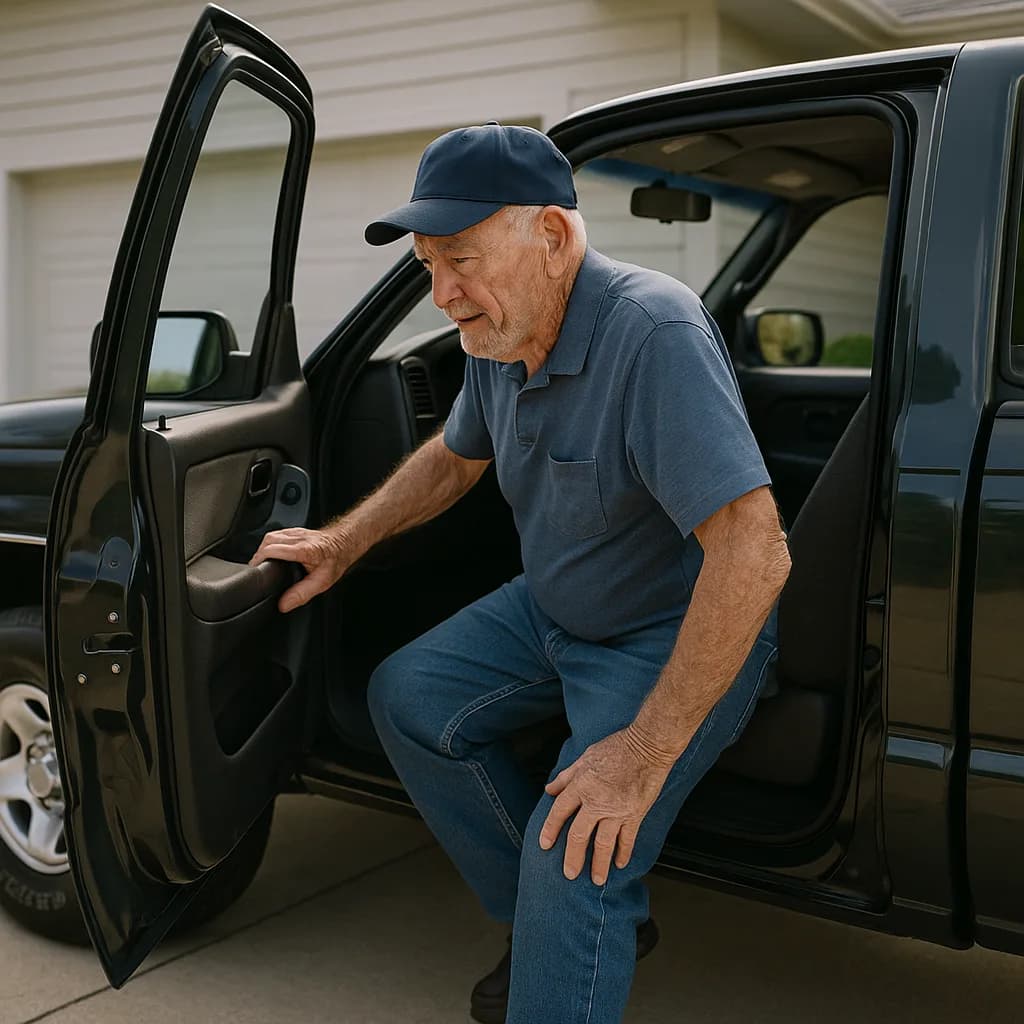
When you carry health insurance, Hawaii law allows you to elect whether PIP or your health plan pays first. Most drivers choose health-insurance-primary coordination, which means your health plan pays medical bills first and PIP covers only the gap between your health plan's payment and the total bill. This reduces PIP exhaustion risk but triggers your health-insurance deductible and copays.
If you elect PIP-primary coordination, your auto policy pays medical bills first up to the PIP limit, and your health plan pays only after PIP is exhausted. This avoids health-insurance deductibles for small accidents but burns through your PIP limit faster. Drivers without health insurance have no choice — PIP pays first and is often the only coverage available until the limit runs out.
Related Articles





It does not cover a hospital admission, surgery, or extended physical therapy.
Lost-income coverage under PIP also matters for self-employed drivers and household managers whose income loss is not covered by employer disability plans.
Carriers Writing Hawaii Auto Policies
12 carriers
Twelve carriers write auto insurance in Hawaii, including Allstate, Geico, Progressive, State Farm, and USAA.
Hawaii carrier roster, verified against AM Best and state licensing records
PIP and Uninsured-Motorist Coverage Are Separate
Hawaii does not require uninsured-motorist coverage, but many drivers assume PIP and UM are the same thing. They are not. PIP pays your own medical bills regardless of fault. Uninsured-motorist coverage pays your medical bills and pain-and-suffering damages only when the at-fault driver has no insurance or insufficient liability limits.
If an uninsured driver hits you, your PIP pays your medical bills first up to your PIP limit. After PIP is exhausted, uninsured-motorist coverage pays the remainder if you carry it. Without UM coverage, you pursue the at-fault driver personally for any bills PIP did not cover, and most uninsured drivers cannot pay a judgment.
Compare Carriers and Raise PIP Limits Where Needed
Start by confirming your health insurance covers auto-accident injuries and noting your deductible. If your health plan has a high deductible or excludes auto accidents, raise your PIP limit to cover the gap. If you carry no health insurance, treat PIP as your primary medical coverage and choose a limit that covers a hospital stay.
Request quotes from multiple carriers with the PIP limit and coordination election that fits your health-insurance situation. Compare the total policy premium across carriers, not just the liability portion, because PIP is mandatory and appears on every quote.