
Underinsured Motorist Coverage — Hawaii
Free to compare
Hawaii Does Not Require Underinsured Motorist Coverage
Hawaii law does not mandate underinsured motorist (UIM) coverage. The state requires $40,000 per person and $80,000 per accident in bodily injury liability, $20,000 in property damage liability, and personal injury protection (PIP), but underinsured motorist protection is optional. You can decline it when you structure coverage for your household's vehicles.
This matters for multi-car households because the decision to add or decline UIM applies to every vehicle on your policy. When you insure two or more cars under one policy, the UIM election covers all vehicles equally. You cannot select UIM for one car and decline it for another on the same policy. Understanding what the state requires versus what carriers offer as optional protection helps you structure coverage that fits your household without paying for mandates that do not exist.
“When you insure multiple vehicles under one policy, the UIM election applies to every car and every listed driver.”

Check Your Rate Against Other Hawaii Drivers
Get My Hawaii Car Insurance Quote9.6%
Hawaii Uninsured Motorist Rate
Nearly one in ten drivers on Hawaii roads carries no insurance. Underinsured motorist coverage protects your household when an at-fault driver's liability limits fall short of your medical bills or vehicle repair costs.
Insurance Research Council, 2023
What Hawaii Law Actually Requires
Hawaii requires four coverage components: $40,000 per person and $80,000 per accident in bodily injury liability, $20,000 in property damage liability, and personal injury protection. These minimums apply to every registered vehicle. Proof of insurance must be presented at registration and carried in the vehicle at all times.
Uninsured motorist coverage is not required. Underinsured motorist coverage is not required. Collision and comprehensive are not required unless a lienholder mandates them. The state's mandatory coverage set is liability plus PIP. Everything else is a decision you make based on your household's vehicles, assets, and risk tolerance.
When you add a second or third vehicle to your policy, the same minimum liability and PIP requirements apply to each car. The multi-car discount typically requires every vehicle to sit on one policy, but the state's coverage mandates do not change based on how many cars you insure together.
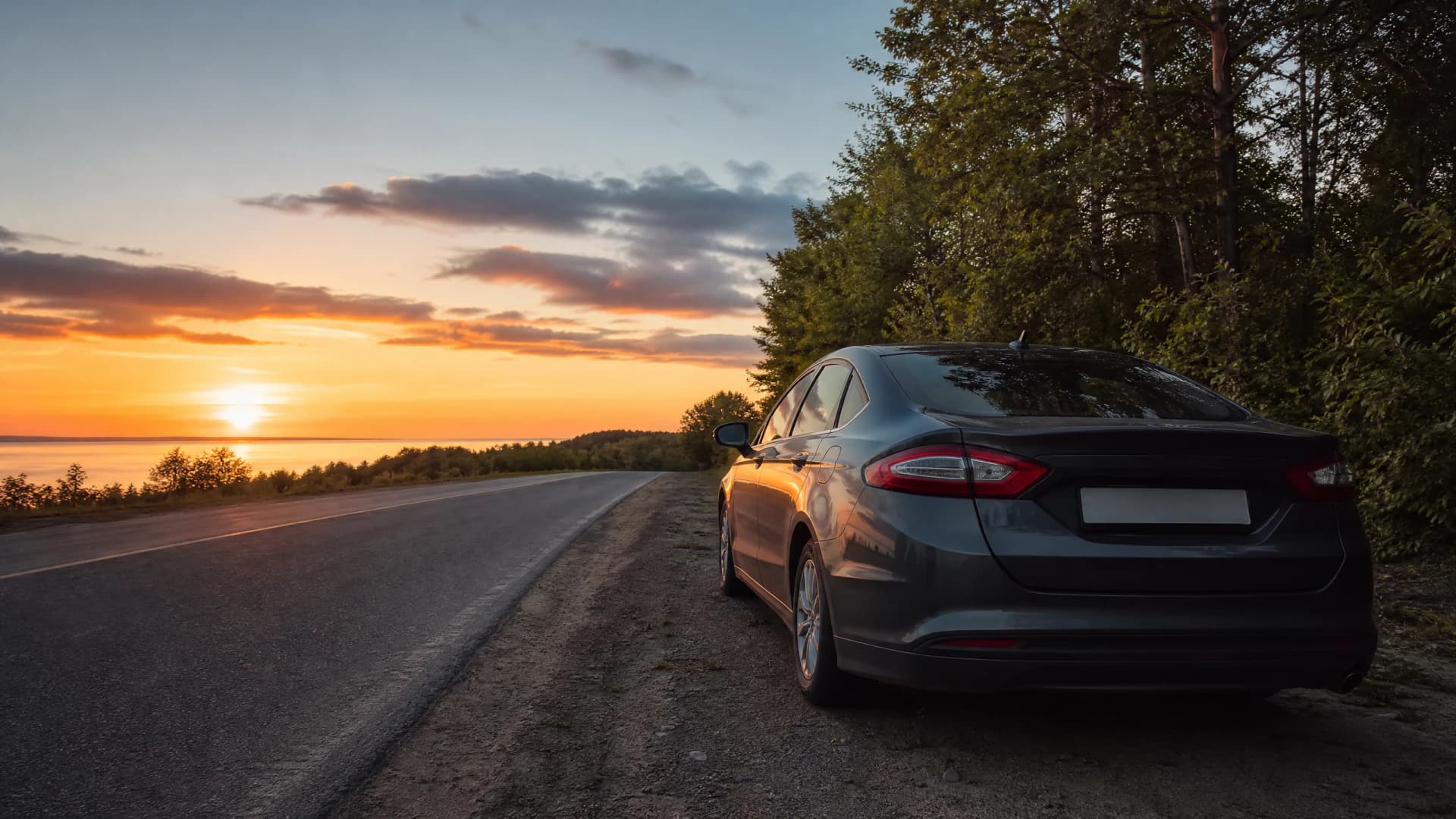
Hawaii's 9.6% uninsured rate and 383.3 vehicle thefts per 100,000 population mean nearly one in ten drivers cannot pay your claim, and vehicle crime is measurably higher than many mainland states.





When Underinsured Motorist Coverage Fits a Multi-Car Household
Underinsured motorist coverage makes structural sense when your household's medical costs or vehicle values exceed what Hawaii's minimum liability limits would cover. UIM fills that gap.
Multi-car households face compounded exposure. When you insure two or three vehicles, the probability that one of them is involved in an at-fault accident with an underinsured driver increases with the number of cars and drivers. A household with a teenage driver, a commuter vehicle, and a third car used for errands has more collision exposure than a single-car household. UIM protects all three vehicles and all listed drivers under one coverage election.
Hawaii's 9.6% uninsured motorist rate suggests a meaningful portion of drivers carry no insurance at all, and many who do carry insurance select only the state minimum. If your household's combined medical and vehicle-replacement exposure exceeds $40,000 per person and $80,000 per accident, UIM coverage addresses the gap between minimum liability and your actual costs. The decision hinges on your household's asset profile, not the number of cars you insure.
$40,000 / $80,000
Hawaii Minimum Bodily Injury Liability
Hawaii requires $40,000 per person and $80,000 per accident in bodily injury liability. Drivers carrying only the minimum cannot pay claims that exceed these limits, leaving the gap to you unless you carry underinsured motorist coverage.
Hawaii Revised Statutes

Comparing Carriers That Write Multi-Car Policies in Hawaii
Twelve carriers write multi-car policies in Hawaii with varying UIM options and multi-vehicle discount structures. State Farm, USAA, Geico, Progressive, Allstate, Farmers, National General, Liberty Mutual, Travelers, Hartford, Amica, and Auto Club Enterprises all operate in the state. Not all carriers offer identical UIM limit options, and the multi-car discount percentage varies by carrier.
When you compare carriers for a multi-car household, confirm that the UIM limits offered match or exceed your liability limits. Some carriers bundle UM and UIM as a single coverage election; others separate them. The premium difference between declining UIM and adding it depends on the limit you select, the number of vehicles on your policy, and the carrier's rate structure. Request quotes with and without UIM to see the actual cost difference for your household's vehicles.
Structure Coverage That Fits Your Household
Hawaii does not require underinsured motorist coverage, but the state's uninsured motorist rate and vehicle-theft environment make the optional protection worth evaluating. When you insure multiple vehicles under one policy, the UIM election applies to every car and every listed driver. You cannot selectively add UIM to one vehicle and decline it for another on the same policy.
Compare carriers that write multi-car policies in Hawaii and request quotes with UIM limits that match your household's exposure. The coverage is optional, but the decision is structural: it either covers your entire household or none of it. If your household's combined medical and vehicle-replacement costs exceed what Hawaii's minimum liability limits would pay, UIM addresses the gap. If your exposure sits below the state minimums, declining UIM keeps your premium lower without leaving a meaningful coverage hole. Compare quotes with your household's actual vehicles and drivers to see the cost difference and make the decision that fits your situation.
How Underinsured Motorist Coverage Works Across Multiple Vehicles
When you elect UIM on a multi-car policy, the coverage limit you select applies to any covered driver in any covered vehicle. The coverage follows the policy, not the individual car.
Carriers typically offer UIM in the same limit structure as your uninsured motorist coverage, and many bundle the two as UM/UIM. You select a per-person and per-accident limit that mirrors or exceeds your liability limits. A household insuring three vehicles under one policy pays one UIM premium that covers all three cars and all listed drivers. You cannot split UIM elections across vehicles on the same policy.
Get Your Free Quote
Get My Hawaii Car Insurance QuoteFrequently Asked Questions
Does Hawaii require underinsured motorist coverage?
No. Hawaii does not mandate underinsured motorist coverage. The state requires bodily injury liability, property damage liability, and personal injury protection, but underinsured motorist protection is optional. You can decline it when you structure coverage for your vehicles.
Can I add underinsured motorist coverage to only one car on my multi-car policy?
No. Underinsured motorist coverage applies to the entire policy, not individual vehicles. When you elect UIM on a multi-car policy, it covers all listed vehicles and all listed drivers. You cannot split the coverage across cars on the same policy.
How does underinsured motorist coverage work when I insure multiple cars?
Underinsured motorist coverage pays the difference between the at-fault driver's liability limit and your actual damages, up to your selected UIM limit. The coverage applies per accident, not per vehicle. Any covered driver in any covered vehicle on your policy can use the UIM coverage if an at-fault driver's liability falls short.
What is Hawaii's uninsured motorist rate?
Hawaii's uninsured motorist rate is 9.6%, meaning nearly one in ten drivers carries no insurance. Underinsured motorist coverage protects your household when an at-fault driver's liability limits cannot cover your medical bills or vehicle repair costs.
Do I need underinsured motorist coverage if I already have personal injury protection?
Personal injury protection covers your own medical bills regardless of fault, but it does not cover the gap when an at-fault driver's liability limit falls short of your total damages. Underinsured motorist coverage addresses that specific gap. The two coverages serve different purposes and do not overlap.
Which carriers in Hawaii offer underinsured motorist coverage for multi-car policies?
State Farm, USAA, Geico, Progressive, Allstate, Farmers, National General, Liberty Mutual, Travelers, Hartford, Amica, and Auto Club Enterprises all write multi-car policies in Hawaii and offer underinsured motorist coverage as an optional add-on. UIM limit options and bundling with uninsured motorist coverage vary by carrier.