
Full Coverage Car Insurance — Hawaii
Free to compare
What Full Coverage Means for Hawaii Households
You're looking at your household's two or three vehicles and trying to decide whether to carry full coverage on all of them, some of them, or none. The term full coverage gets used as shorthand, but it's not a single product Hawaii requires or a single switch you flip for the whole policy. It's a per-vehicle decision about adding collision and comprehensive coverage to the liability and personal injury protection Hawaii mandates.
Hawaii requires every registered vehicle to carry at least $40,000 bodily injury per person, $80,000 bodily injury per accident, $20,000 property damage, and personal injury protection. That's your legal floor. Full coverage means you've added collision (pays for damage to your car in an at-fault crash) and comprehensive (pays for theft, weather, vandalism, animal strikes) to that base. You can add it to one vehicle and skip it on another. The decision hinges on each car's value, loan status, and how much cash you'd need to replace it if it were totaled.
“Collision and comprehensive are per-vehicle coverages—your policy can carry full coverage on the financed sedan and liability-only on the paid-off truck.”

Check Your Rate Against Other Hawaii Drivers
Get My Hawaii Car Insurance Quote$40,000/$80,000/$20,000
Hawaii Minimum Liability Limits
Every vehicle registered in Hawaii must carry at least this much bodily injury and property damage coverage. Personal injury protection is also mandatory. These minimums apply whether you insure one car or five.
Hawaii Revised Statutes, auto_insurance_state_data
The Structural Reality: Full Coverage Is Per Vehicle, Not Per Policy
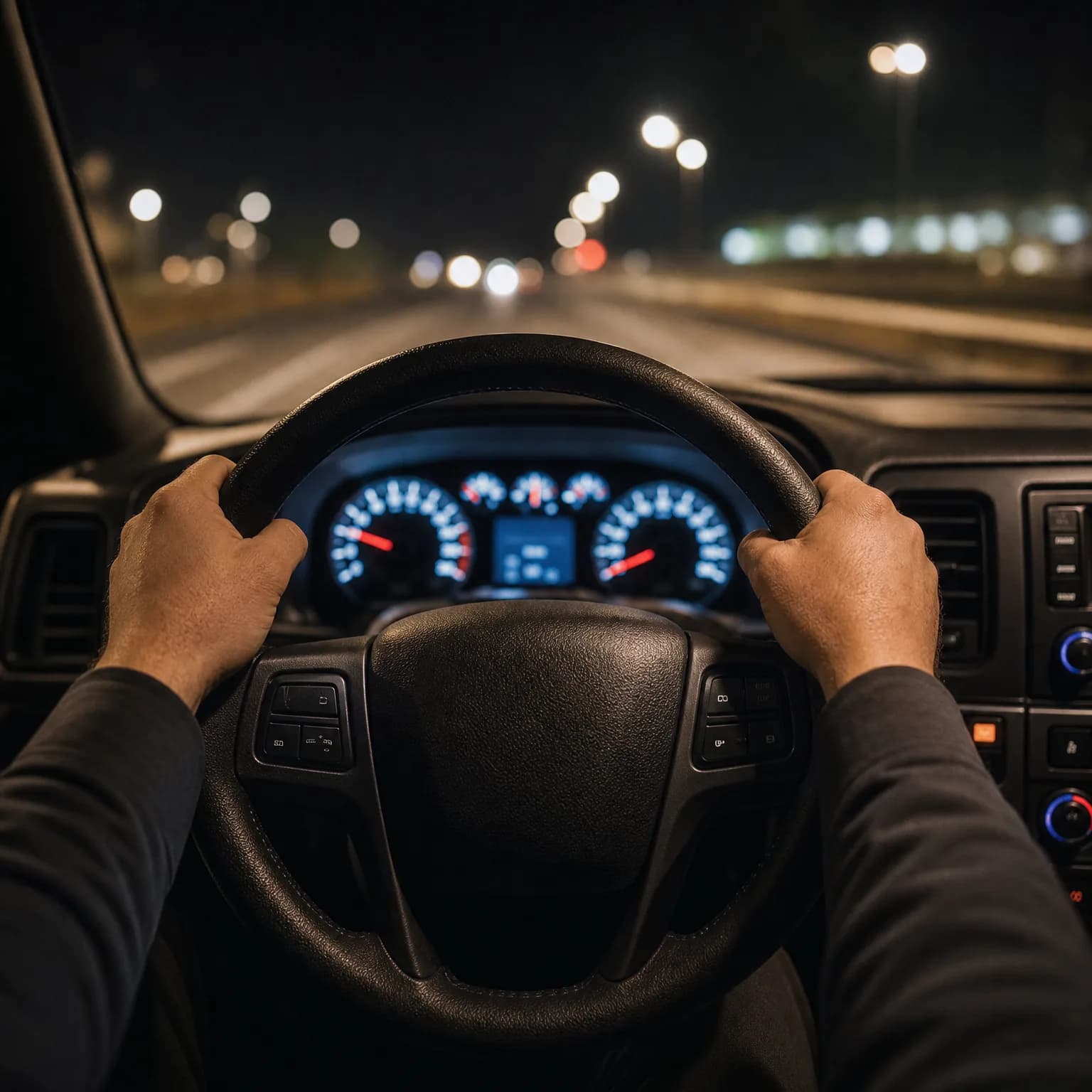
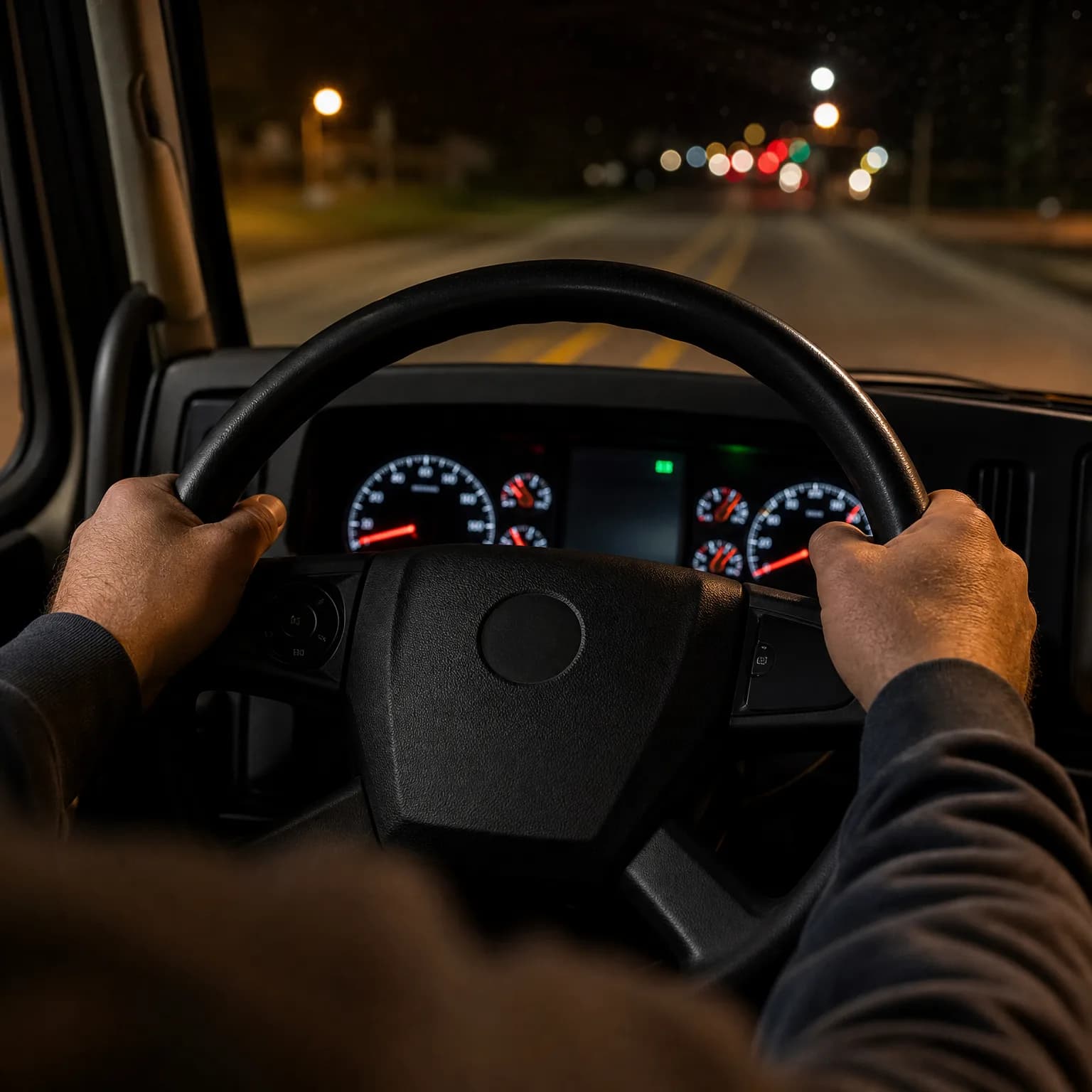
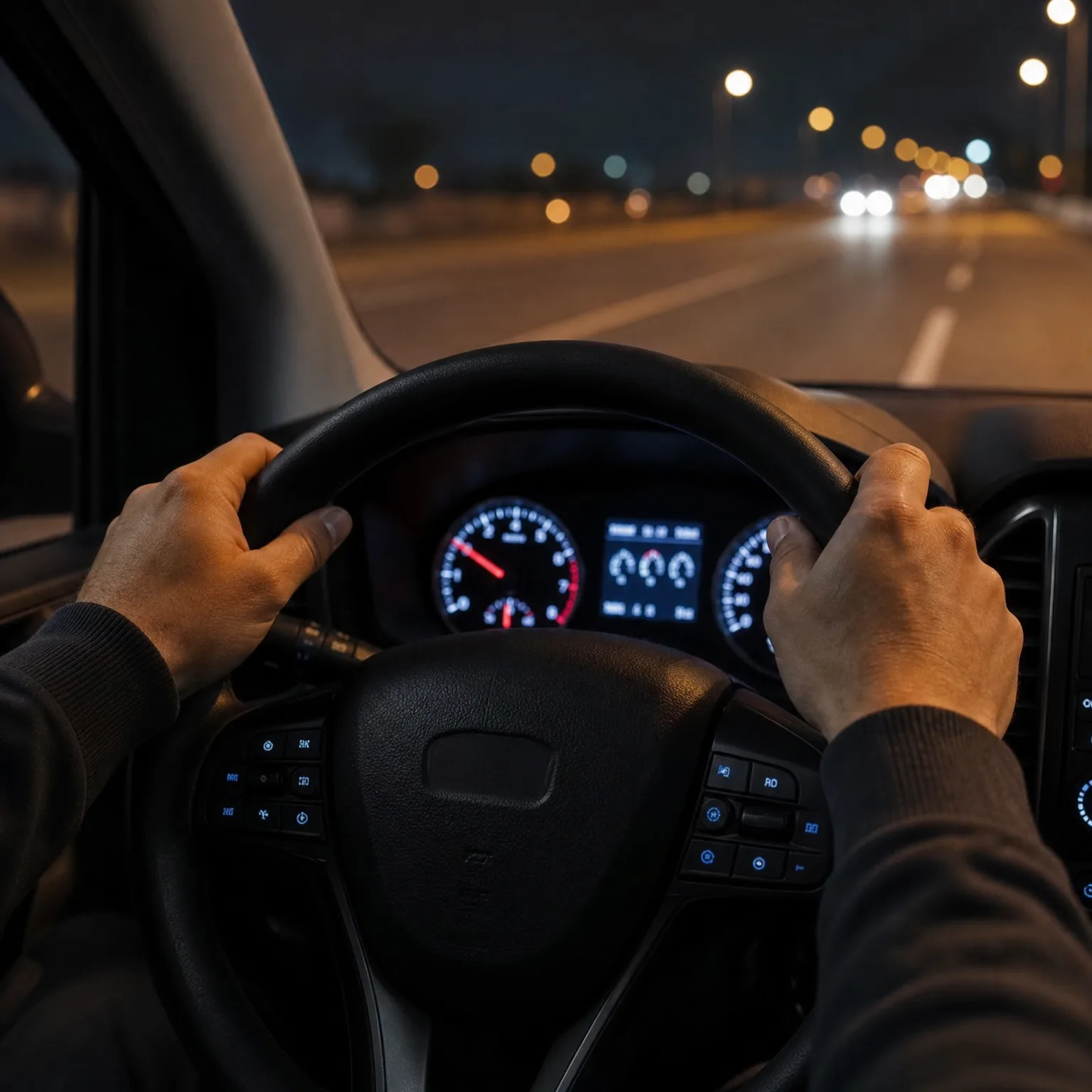
Most households assume full coverage is a policy-wide setting: either the whole policy has it or it doesn't. That's not how it works. Collision and comprehensive are per-vehicle coverages. Your policy can carry full coverage on the financed sedan, liability-only on the paid-off truck, and full coverage again on the leased SUV. The carrier prices each vehicle separately based on its year, make, model, value, and the coverage you select for it.
This structure matters when you're managing multiple cars. Dropping collision and comprehensive on the older vehicle while keeping it on the newer one is the correct structural choice, not a coverage gap.
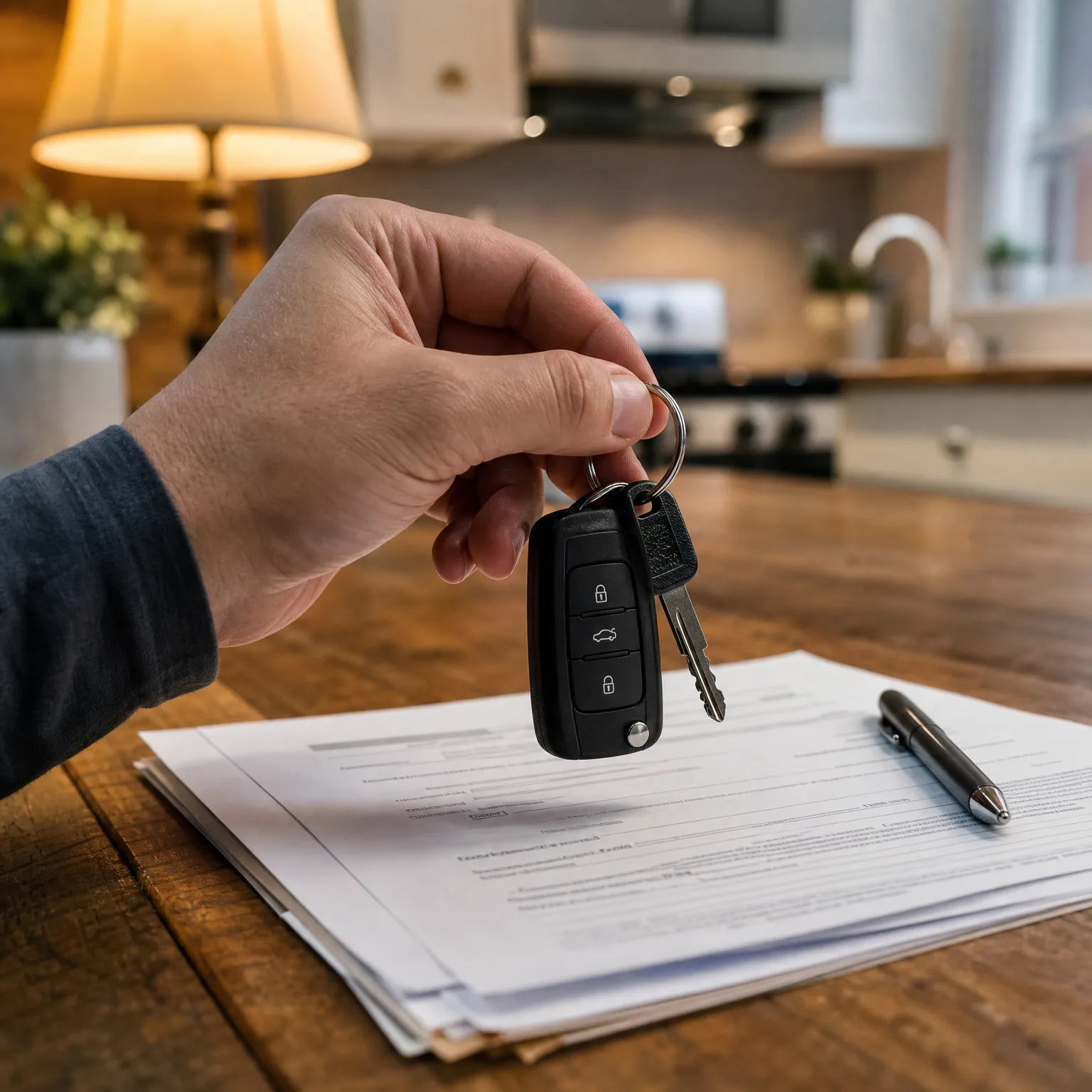
Lenders and lessors require collision and comprehensive as long as you owe money or hold a lease. Once the loan is paid off, the requirement disappears. At that point the decision is yours: does the vehicle's value justify the annual cost of physical-damage coverage, or would you rather self-insure and replace it out of pocket if it's totaled?

The blocker: you're treating full coverage as a single yes-or-no decision for the whole household when it's actually a per-vehicle choice that depends on each car's loan status and replacement cost.



How to Decide Which Vehicles Need Full Coverage
Start with loan and lease status. Any vehicle with an outstanding loan or an active lease must carry collision and comprehensive—the lienholder requires it in the financing agreement. You have no choice on those cars. For vehicles you own outright, the decision is financial: compare the vehicle's current market value to the annual cost of adding collision and comprehensive.
A common rule of thumb: if the annual cost of collision and comprehensive exceeds 10 percent of the vehicle's value, consider dropping it. At that point, self-insuring—keeping liability and PIP, dropping collision and comprehensive, and setting aside cash to replace the car if it's totaled—often makes more financial sense.
The second factor is replacement cash. If your older vehicle were totaled tomorrow, could you replace it out of pocket without financial strain? If yes, dropping collision and comprehensive frees up premium dollars you can redirect toward higher liability limits or coverage on a newer vehicle. If no—if losing that car would leave you unable to get to work or manage household errands—keeping collision and comprehensive buys you certainty even on a lower-value vehicle.
Hawaii's 9.6 percent uninsured motorist rate means roughly one in ten drivers on the road carries no insurance. Collision coverage protects you when an uninsured driver hits you and disappears, because you file the claim under your own policy rather than chasing their nonexistent liability coverage. That's a structural advantage in a state where uninsured driving is above the national average.
9.6%
Hawaii Uninsured Motorist Rate
Nearly one in ten drivers in Hawaii carries no insurance. Collision coverage on your own policy protects you when an uninsured driver causes a crash, because you file under your own coverage rather than relying on theirs.
Insurance Information Institute, state_insurance_stats 2023
How Adding or Dropping Coverage Affects Your Multi-Car Policy
When you add or drop collision and comprehensive on one vehicle mid-term, the carrier re-rates that vehicle and adjusts your premium. The change doesn't affect the other cars on the policy—they keep their existing coverage and pricing. If you drop full coverage on your 2009 truck, your 2021 sedan's collision and comprehensive stay in place at the same cost.
Most households with multiple vehicles qualify for a multi-car discount, which lowers the per-vehicle premium when you insure two or more cars on the same policy. That discount applies to the liability, PIP, and any physical-damage coverage you carry, but it doesn't change the per-vehicle structure. You still choose collision and comprehensive separately for each car. The discount makes the total cost lower than insuring each vehicle on its own policy, but the coverage decisions remain per-vehicle.
If you're combining two separate policies after a marriage or a move, the new combined policy will price each vehicle individually based on its year, value, and the coverage you select. The carrier will ask whether each vehicle should carry collision and comprehensive or liability-only. That's the moment to evaluate each car's value and loan status rather than defaulting to the same coverage across the board.
Comparing Carriers That Write Multi-Vehicle Policies in Hawaii
Twelve major carriers write auto insurance in Hawaii: Allstate, Amica, Auto Club Enterprises, Farmers, Geico, Hartford, Liberty Mutual, National General, Progressive, State Farm, Travelers, and USAA. All twelve write multi-vehicle policies. Pricing for collision and comprehensive varies significantly by carrier, even for the same vehicle and the same coverage.
When you're structuring coverage across multiple vehicles, request quotes that price each car separately with the coverage you want on that specific vehicle. Tell the carrier which cars should carry full coverage and which should be liability-only. Compare the total household premium across carriers, not just the per-vehicle cost. A carrier that's expensive on your newer car may be cheaper on your older one, and the combined total is what matters.
State Farm and USAA write preferred-tier policies and often price competitively for households with clean driving records. Geico, Progressive, Farmers, and National General write standard-tier policies and typically offer lower rates for households with mixed driving histories or older vehicles. If one vehicle on your policy has a recent at-fault claim or a driver with a ticket, a standard-tier carrier may price the whole policy lower than a preferred-tier carrier would.

Next Step: Compare Carriers for Your Household's Vehicles
You now understand that full coverage is a per-vehicle decision, not a policy-wide toggle, and that the right choice depends on each car's value, loan status, and your household's cash reserves. The next step is to request quotes from carriers that write multi-vehicle policies in Hawaii, specifying which vehicles should carry collision and comprehensive and which should be liability-only. Compare the total household premium across carriers. The carrier that prices your household's specific mix of vehicles and coverage lowest is the one that fits your structure best.
What Collision and Comprehensive Actually Cover
Collision coverage pays to repair or replace your vehicle after a crash with another car, a fixed object, or a rollover—regardless of who was at fault. If you rear-end someone, collision covers your car's damage. If someone rear-ends you and they have no insurance or insufficient coverage, collision still covers your car (you'd file under your own policy rather than waiting on their liability carrier). The coverage applies up to your vehicle's actual cash value minus your deductible. Common deductibles are $500 or $1,000. A $500 deductible costs more per month but means you pay less out of pocket at claim time; a $1,000 deductible lowers your premium but increases your share of the repair bill.
Comprehensive coverage pays for damage that isn't a collision: theft, vandalism, fire, flood, hail, falling objects, and animal strikes. Hawaii's vehicle theft rate is 383.3 per 100,000 population, higher than the national median. Comprehensive also covers windshield damage from road debris, which is common on island highways. Like collision, comprehensive pays up to actual cash value minus your deductible. The same deductible structure applies—choose $500 or $1,000 based on how much cash you'd have available if you needed to file a claim.
Get Your Free Quote
Get My Hawaii Car Insurance QuoteFrequently Asked Questions
Does Hawaii require full coverage car insurance?
No. Hawaii requires liability coverage of at least $40,000 per person, $80,000 per accident for bodily injury, $20,000 for property damage, and personal injury protection. Collision and comprehensive—what people call full coverage—are optional unless a lender or lessor requires them.
Can I have full coverage on one car and liability-only on another?
Yes. Collision and comprehensive are per-vehicle coverages. You choose them separately for each car on your policy based on that vehicle's value, loan status, and replacement cost.
When should I drop full coverage on an older car?
When the annual cost of collision and comprehensive exceeds roughly 10 percent of the vehicle's current market value, or when you have enough cash set aside to replace the car out of pocket if it's totaled. A vehicle you own outright with low market value often doesn't justify the cost of physical-damage coverage.
What is the difference between collision and comprehensive coverage?
Collision pays for damage to your car in a crash with another vehicle or object, regardless of fault. Comprehensive pays for non-collision damage: theft, vandalism, weather, fire, and animal strikes. Both pay up to your vehicle's actual cash value minus your deductible.
Do I need full coverage if my car is paid off?
Not legally. Once the loan is paid off, the lender's requirement disappears. Whether you keep collision and comprehensive depends on the vehicle's value and whether you could replace it out of pocket if it were totaled.
How does the multi-car discount work with full coverage?
The multi-car discount lowers the per-vehicle premium when you insure two or more cars on the same policy. It applies to liability, PIP, and any collision or comprehensive coverage you carry, but you still choose those coverages separately for each vehicle.
Which Hawaii carriers write multi-vehicle policies?
Allstate, Amica, Auto Club Enterprises, Farmers, Geico, Hartford, Liberty Mutual, National General, Progressive, State Farm, Travelers, and USAA all write multi-vehicle policies in Hawaii. Pricing varies significantly by carrier for the same vehicles and coverage.