
Full Coverage Car Insurance Companies — Hawaii
Free to compare
Full Coverage for Multiple Vehicles in Hawaii
You are adding a second or third vehicle to your Hawaii policy and need full coverage—liability, comprehensive, collision, and the state-mandated personal injury protection. The carrier you used for liability-only coverage on one car may not be the best choice when you are insuring multiple vehicles with comprehensive and collision on each. Hawaii's mandatory PIP requirement changes the cost structure: every policy already carries PIP, so the question becomes which carrier prices the physical-damage coverages most competitively for households with two or more cars.
This article walks through the 12 carriers writing full coverage in Hawaii, how the multi-car discount interacts with comprehensive and collision pricing, and which carriers structure their policies to reward households insuring multiple vehicles. The goal: identify the carrier that delivers the lowest combined premium when every vehicle on your policy carries liability, PIP, comprehensive, and collision.
“A large discount on a high base rate can cost more than a smaller discount on competitive per-vehicle pricing.”

Check Your Rate Against Other Hawaii Drivers
Get My Hawaii Car Insurance Quote9.6%
Hawaii Uninsured Motorist Rate
Nearly one in ten drivers on Hawaii roads carries no insurance. Full coverage protects your vehicles when an uninsured driver causes damage, because comprehensive and collision pay regardless of fault.
Insurance Research Council, 2023
What Full Coverage Actually Includes in Hawaii
Full coverage is not a single product. It is the combination of four coverage types: liability (the state minimum is $40,000 per person, $80,000 per accident for bodily injury, and $20,000 for property damage), personal injury protection (mandatory in Hawaii), comprehensive (pays for non-collision damage like theft, weather, or vandalism), and collision (pays for crash damage to your vehicle regardless of fault). Every Hawaii policy must carry liability and PIP. Comprehensive and collision are optional, but lenders require them on financed or leased vehicles.
When you insure multiple vehicles, each car on the policy needs its own comprehensive and collision coverage. The multi-car discount applies to the entire policy premium, but comprehensive and collision are priced per vehicle based on the car's value, age, and repair cost. A household with three vehicles pays for three sets of physical-damage coverage. The carrier that offers the steepest multi-car discount does not always deliver the lowest total premium if their per-vehicle comprehensive and collision rates are high.
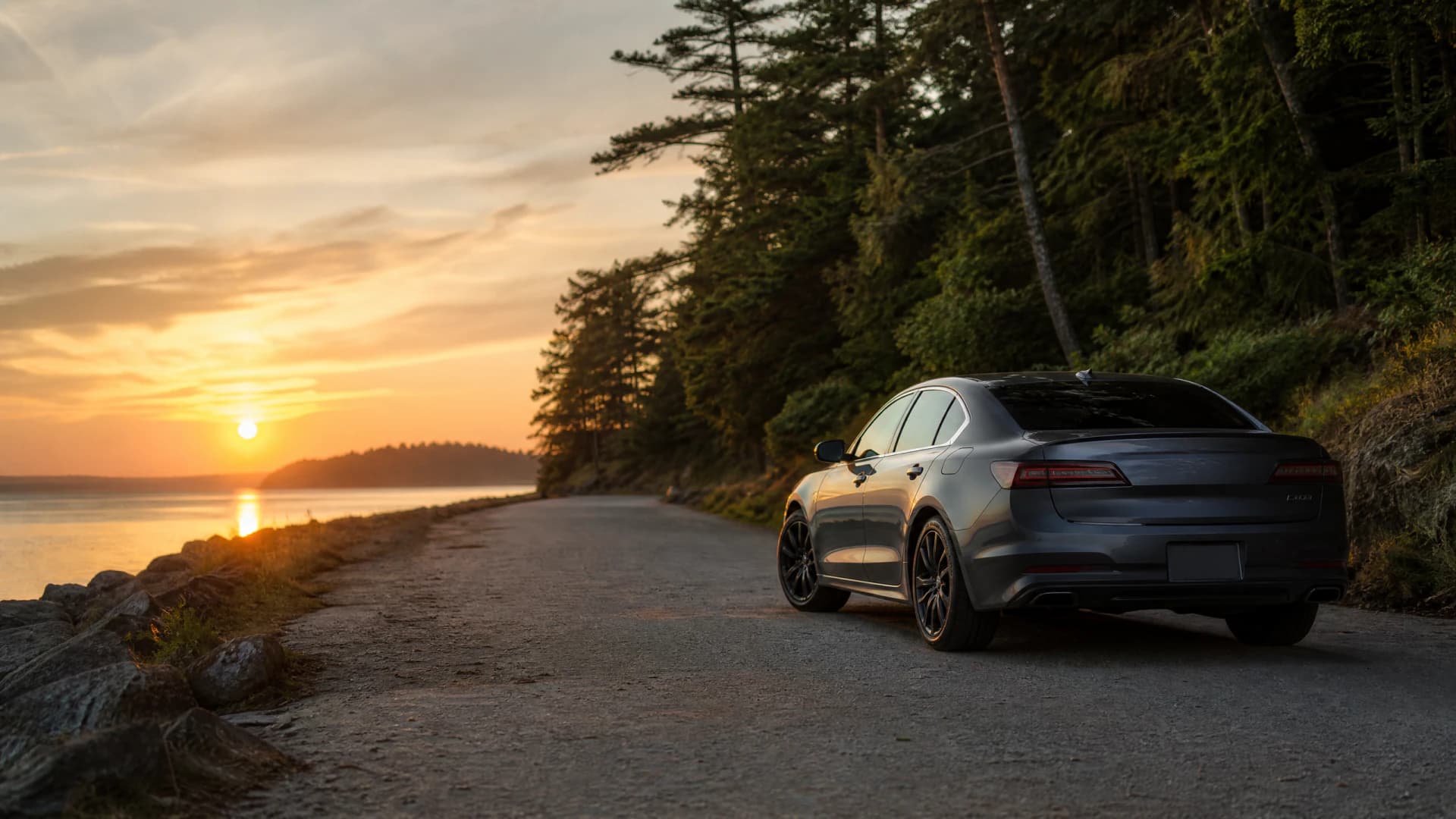
The multi-car discount reduces the base premium, but comprehensive and collision are priced per vehicle—a large discount on a high base rate can cost more than a smaller discount on competitive per-vehicle pricing.
Related Articles





How the Multi-Car Discount Interacts with Comprehensive and Collision
The multi-car discount reduces the combined premium when you insure two or more vehicles on one policy. Most carriers require every vehicle to be garaged at the same address and titled to a household member on the policy. The discount typically ranges from a modest reduction for the second vehicle to a larger reduction for the third and fourth, but the exact structure varies by carrier. State Farm and USAA apply the discount to the total policy premium. Geico and Progressive reduce the per-vehicle rate for additional cars.
Comprehensive and collision premiums are calculated separately for each vehicle based on its actual cash value, repair cost, theft risk, and the deductible you select. A 2018 sedan and a 2023 truck on the same policy will have different comprehensive and collision premiums even though they share the same liability and PIP coverage. When you add a third vehicle, the multi-car discount applies to the base premium, but the new car's comprehensive and collision costs are added at the carrier's per-vehicle rate for that specific car.
This is why comparing total premium across carriers matters more than comparing the size of the multi-car discount. A carrier offering a large percentage discount on a high base rate may deliver a higher total premium than a carrier with a smaller discount on competitive per-vehicle pricing. Request quotes that include comprehensive and collision for every vehicle you plan to insure, then compare the total annual or monthly premium—not the discount percentage.
$40,000 / $80,000 / $20,000
Hawaii Minimum Liability Limits
Hawaii requires $40,000 per person and $80,000 per accident for bodily injury, plus $20,000 for property damage. Full coverage adds comprehensive and collision to these mandatory minimums, protecting your own vehicles in addition to covering liability to others.
Hawaii Revised Statutes
Deductibles and Per-Vehicle Pricing
Comprehensive and collision each carry a deductible—the amount you pay out of pocket before the carrier pays a claim. Common deductibles are $500 or $1,000. A higher deductible lowers your premium; a lower deductible increases it. When you insure multiple vehicles, you select a deductible for each car's comprehensive and collision coverage. You can choose different deductibles for different vehicles on the same policy.
Older vehicles with lower actual cash value often make sense with higher deductibles or no comprehensive and collision at all. Many households drop physical-damage coverage on older cars and carry it only on newer or financed vehicles. The multi-car discount still applies to the liability and PIP portions of the policy even when some vehicles carry comprehensive and collision and others do not.
Compare Carriers for Your Household's Vehicles
Request quotes from at least three carriers. Provide the year, make, model, and garaging address for every vehicle you plan to insure. Specify the same liability limits, PIP coverage, and deductibles across all quotes so you are comparing equivalent policies. Ask each carrier whether they require all vehicles to be garaged at the same address and whether vehicles titled to different household members qualify for the multi-car discount on one policy.
State Farm, Geico, Progressive, and USAA offer online quote tools that generate multi-car estimates. Allstate, Farmers, Liberty Mutual, and Travelers typically require a phone call or agent visit for multi-car quotes. Amica and Hartford provide online quotes but may route multi-car households to an agent for final pricing. Compare the total annual premium for all vehicles combined, not just the per-vehicle rate or the discount percentage. The lowest total premium is the number that matters.
Carriers Writing Full Coverage in Hawaii
State Farm, Geico, Progressive, and USAA (military-affiliated households only) write the majority of multi-car full-coverage policies in Hawaii. State Farm and USAA are preferred-tier carriers, meaning they typically offer lower base rates to drivers with clean records. Geico and Progressive are standard-tier carriers with broader underwriting and explicit multi-car discounts advertised on their quote tools. Allstate, Farmers, and National General also write full coverage and accept households with multiple vehicles, though their per-vehicle comprehensive and collision rates vary significantly by island and garaging ZIP code.
Liberty Mutual, Travelers, Hartford, Amica, and Auto Club Enterprises round out the roster. Liberty Mutual and Travelers write standard and preferred tiers; Hartford partners with AARP for senior-driver households; Amica is a preferred-tier mutual insurer with selective underwriting; and Auto Club Enterprises writes through AAA Hawaii. Each carrier structures the multi-car discount differently—some apply it as a flat percentage off the total premium, others reduce the per-vehicle rate for the second and third cars.
Get Your Free Quote
Get My Hawaii Car Insurance QuoteFrequently Asked Questions
Which car insurance company offers the best full coverage rates for multiple vehicles in Hawaii?
No single carrier is cheapest for every household. State Farm, Geico, Progressive, and USAA write the majority of multi-car full-coverage policies in Hawaii, but the lowest total premium depends on your vehicles' year, make, model, garaging address, and driving history. Request quotes from at least three carriers and compare the total annual premium for all vehicles combined.
Does the multi-car discount apply to comprehensive and collision coverage in Hawaii?
The multi-car discount reduces the total policy premium, which includes liability, PIP, comprehensive, and collision. However, comprehensive and collision are priced per vehicle based on each car's value and repair cost. The discount applies to the combined premium, but each vehicle's physical-damage coverage is calculated separately before the discount is applied.
Can I insure multiple vehicles with different coverage levels on one Hawaii policy?
Yes. You can carry comprehensive and collision on some vehicles and liability-plus-PIP only on others. Many households drop physical-damage coverage on older cars with low actual cash value and carry it only on newer or financed vehicles. The multi-car discount still applies to the liability and PIP portions of the policy.
Do all vehicles on a multi-car policy need to be garaged at the same address in Hawaii?
Most carriers require all vehicles on one policy to be garaged at the same address. Some allow exceptions for college-student vehicles or seasonal-resident situations, but those exceptions vary by carrier. If vehicles are garaged at different addresses, you may need separate policies or a carrier that writes multi-location policies.
What deductible should I choose for comprehensive and collision on multiple vehicles?
A $500 or $1,000 deductible is standard. Higher deductibles lower your premium; lower deductibles increase it. For older vehicles with low actual cash value, a higher deductible or dropping physical-damage coverage entirely often makes financial sense. You can select different deductibles for different vehicles on the same policy.
Does Hawaii require uninsured motorist coverage on full coverage policies?
Hawaii does not mandate uninsured motorist coverage, but 9.6% of drivers on Hawaii roads carry no insurance. Comprehensive and collision pay for damage to your own vehicles regardless of who caused it, so full coverage protects you even when an uninsured driver is at fault. Many households add uninsured motorist coverage for additional protection.